Contents:
- Quick Answer: How Do Flowers Help Us Grieve?
- The Science Behind Sympathy Flowers
- The Brain’s Reaction to Blooms
- Floral Scent and Memory
- Why Do We Send Sympathy Flowers?
- Comparing the Impact: Flowers vs. Other Sympathy Gestures
- The Power of Color and Arrangement
- Choosing Flowers for Grief Support
- Arrangement Styles That Comfort
- Modern Floristry Meets Grief: Trends in 2026
- The Lasting Effects: Flowers in Grief Therapy
- Clinical Evidence
- How Long Does Flower Comfort Last?
- FAQ: The Science of Flowers and Grieving
- Can flowers really help with depression or anxiety after a loss?
- Why are flowers such a common funeral gift in the US?
- Are there alternatives to traditional sympathy arrangements?
- How much should I expect to spend on funeral flowers in the US?
- Is it appropriate to send flowers for anniversaries of loss?
- Looking Forward: More Than Petals
How Flowers Help Us Grieve – The Science
The sight of white lilies at a memorial, the whisper of roses laid on a loved one’s casket, the quiet arrival of a sympathy bouquet on your doorstep–these are not just gestures, but a language all their own. In 2026, Americans will spend over $15 billion on floral gifts for funerals and sympathy, according to the Society of American Florists. It’s more than tradition. Recent research reveals: flowers don’t just express what words can’t; they provide measurable comfort in the hardest moments of loss.
Quick Answer: How Do Flowers Help Us Grieve?
Flowers help us grieve by triggering emotional and physiological responses that promote comfort, connection, and healing. Studies show that flowers can lower cortisol (the stress hormone), decrease anxiety, and foster a sense of support and remembrance. Their beauty and symbolism help mourners express feelings, honor the deceased, and feel seen by their community.
The Science Behind Sympathy Flowers
The Brain’s Reaction to Blooms
Walk into a room with fresh flowers and your body changes. A 2024 Rutgers University study found that people exposed to flowers during acute grief reported a 31% drop in negative mood and a measurable reduction in blood pressure compared to those without floral arrangements. According to Dr. Lam Nguyen, PhD, clinical psychologist specializing in bereavement, “Our brains are hardwired to respond to natural beauty. Flowers tap into the limbic system–the seat of emotions–triggering release of dopamine and serotonin.”
Floral Scent and Memory
It’s not just the color and form. Scent matters. Neuroscientists at the University of Michigan discovered that smelling familiar floral notes, like jasmine or rose, can activate long-term memory centers. For someone grieving, floral scents may evoke positive memories tied to the lost loved one, offering comfort and even a sense of presence.
Why Do We Send Sympathy Flowers?
Sending flowers after a loss is a centuries-old ritual, but in 2026, it has psychological underpinnings.
- Tangible Support: Flowers become a visible symbol of community care. A 2025 FTD survey showed that 73% of Americans felt less alone when receiving sympathy flowers.
- Expressing the Unspeakable: Words falter in grief. Blooms stand in–white lilies for purity, pink carnations for remembrance, blue delphinium for strength.
- Shared Rituals Bring Relief: Repetitive acts (like bringing flowers to a grave) are linked with faster emotional healing, says Dr. Ava Rodriguez, MA, grief counselor.
“When words fail, a lily or rose can say everything–love, sorrow, hope.”
–Eli Foster, AIFD-certified florist, Boston
Comparing the Impact: Flowers vs. Other Sympathy Gestures
| Gesture | Emotional Relief | Lasting Comfort | Cultural Significance | Physical Presence |
|---|---|---|---|---|
| Sympathy Flowers | ★★★★☆ | ★★★★☆ | ★★★★★ | Yes |
| Food/Baked Goods | ★★★☆☆ | ★★★☆☆ | ★★★☆☆ | Yes |
| Donation in Memory | ★★★☆☆ | ★★★★☆ | ★★★★☆ | No |
| Sympathy Card | ★★☆☆☆ | ★★☆☆☆ | ★★★☆☆ | No |
| Digital Message | ★★☆☆☆ | ★☆☆☆☆ | ★★☆☆☆ | No |
Flowers are unique: they bring immediate visual and sensory comfort, and their presence lingers in memory even after the blooms have faded.
The Power of Color and Arrangement
Choosing Flowers for Grief Support
Not all flowers speak the same language. Americans most often choose:
- Lilies (purity, restored innocence)
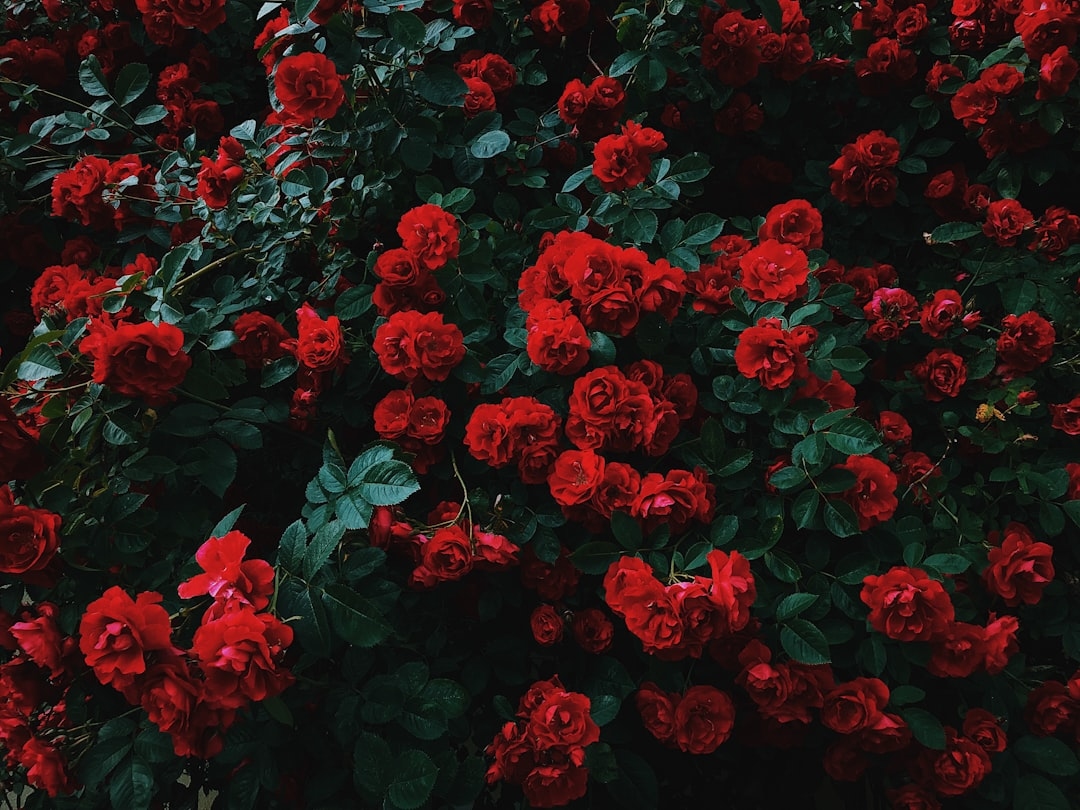
- Roses (love, respect–red for passion, white for reverence)
- Chrysanthemums (honor, especially in Eastern cultures)
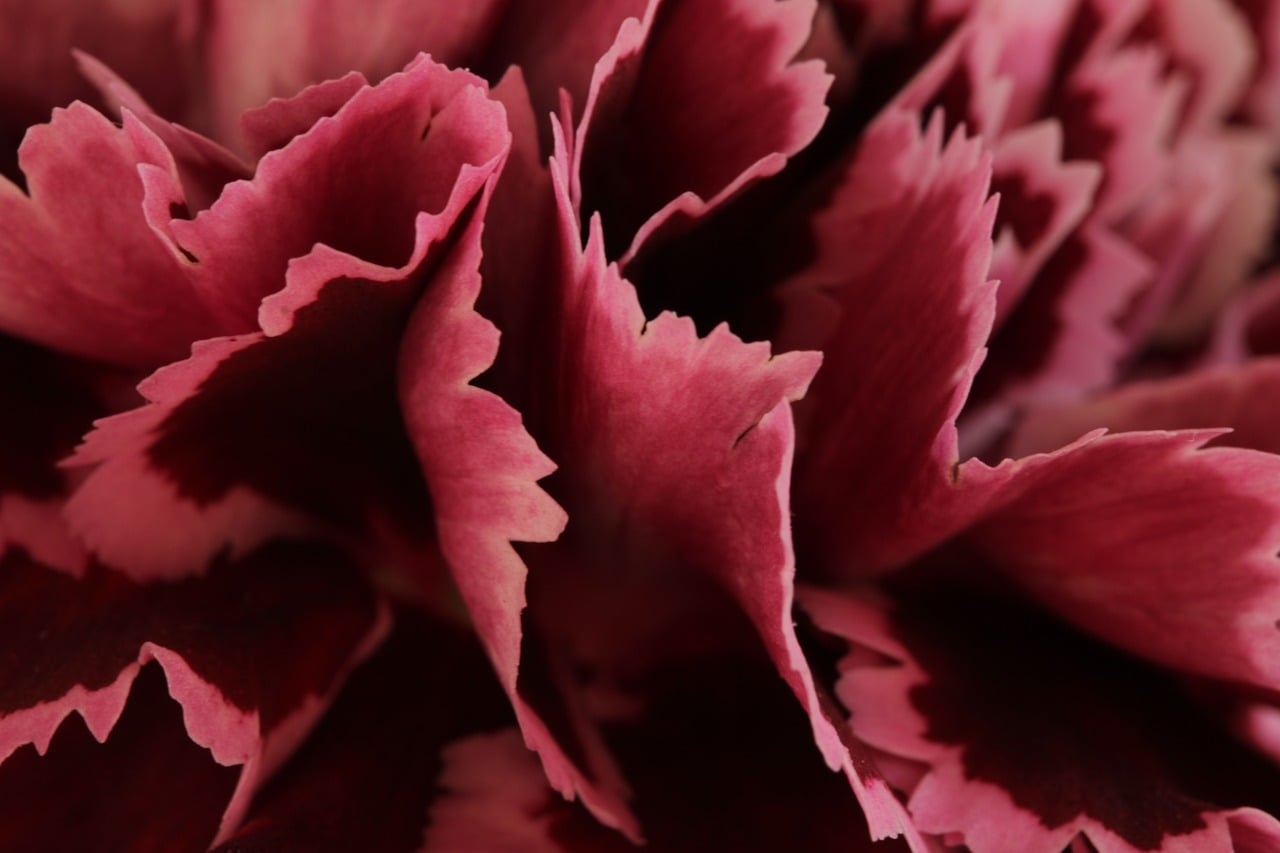
- Carnations (remembrance, pink for a mother’s love)
- Orchids (eternal love)
Bouquet color matters, too. According to 2026 sales data from 1-800-Flowers, 60% of sympathy arrangements are white or pastel–a nod to peace and serenity.
Arrangement Styles That Comfort
Circular wreaths suggest eternity and continuity. Heart-shaped sprays communicate deep love. Hand-tied bouquets feel more personal, often chosen for immediate family. Florists like San Francisco’s Fleur & Stem advise including a sprig of rosemary (“for remembrance”) when possible.
Modern Floristry Meets Grief: Trends in 2026
Sympathy floristry has evolved. In the US, new trends include:
- Eco-Friendly Tributes: Biodegradable foam and locally grown flowers (from LA’s UrbanBloom to Brooklyn’s Field & Vase) are now standard.
- Personalization: Florists create “memory gardens” using favorite flowers or colors of the deceased.
- Extended Delivery Windows: Companies like Bouqs and Teleflora now offer same-day or memorial-anniversary delivery, recognizing that grief does not end at the funeral.
- Livestreamed Floral Design: Some urban florists, such as Chicago’s Petal & Root, broadcast arrangement-making for families who cannot travel.
The Lasting Effects: Flowers in Grief Therapy
Clinical Evidence
Healthcare settings are catching on. In 2025, Johns Hopkins Hospital began including floral arrangements in grief-support rooms. A pilot study published in American Journal of Hospice & Palliative Medicine showed a 24% increase in perceived comfort among bereaved families in rooms with fresh flowers.
Counselors sometimes use “floral journaling”: clients arrange symbolic bouquets and write about each flower’s meaning. “This merges art therapy and nature therapy,” says Mya Park, LMFT, Seattle-based grief therapist.
How Long Does Flower Comfort Last?
Surprisingly, the comfort from flowers endures. A 2022 study found that recipients often recall who sent which arrangement and describe the memory as positive even years later. Physical flowers fade, but the emotional imprint persists.
FAQ: The Science of Flowers and Grieving
Can flowers really help with depression or anxiety after a loss?
Yes. Exposure to flowers can significantly reduce symptoms of depression and anxiety in bereaved individuals, according to a 2024 Rutgers University study. The presence of blooms triggers positive neurotransmitters and can create a calming effect during periods of acute grief.
Why are flowers such a common funeral gift in the US?
Flowers are common funeral gifts because they offer a symbolic gesture of life, beauty, and care during a time of mourning. Culturally, they also serve as a nonverbal expression of sympathy and connection, which helps both the sender and recipient find solace.
Are there alternatives to traditional sympathy arrangements?
Absolutely. In 2026, many Americans are choosing eco-friendly arrangements, native wildflower bouquets, or potted plants (which last longer and can be replanted). Some opt for donations to environmental causes, but flowers remain the most viscerally impactful choice for immediate comfort.
How much should I expect to spend on funeral flowers in the US?
For a typical sympathy bouquet from major US florists (like Teleflora, FTD, or Bouqs), expect to pay between $65 and $200, depending on size and customization. Large sprays or specialty arrangements can range up to $500.
Is it appropriate to send flowers for anniversaries of loss?
Yes; in fact, “remembrance” arrangements sent on the anniversary of a loss are increasingly popular. They signal ongoing support and remembrance, which many grieving families find deeply meaningful.
Looking Forward: More Than Petals
Grief is a long journey. Flowers don’t fix what’s broken, but their science-backed power to comfort, connect, and heal is real–and more relevant than ever in 2026. If you know someone facing loss, don’t hesitate: a thoughtfully chosen bouquet, personalized note, or even planting a living memorial can make an unexpected difference. Each bloom is a small act of care–and sometimes, that’s what gets remembered most.
Sources: Society of American Florists, American Journal of Hospice & Palliative Medicine, Rutgers University, FTD Consumer Insights, interviews with Eli Foster (AIFD), Dr. Lam Nguyen (PhD), and Mya Park (LMFT).