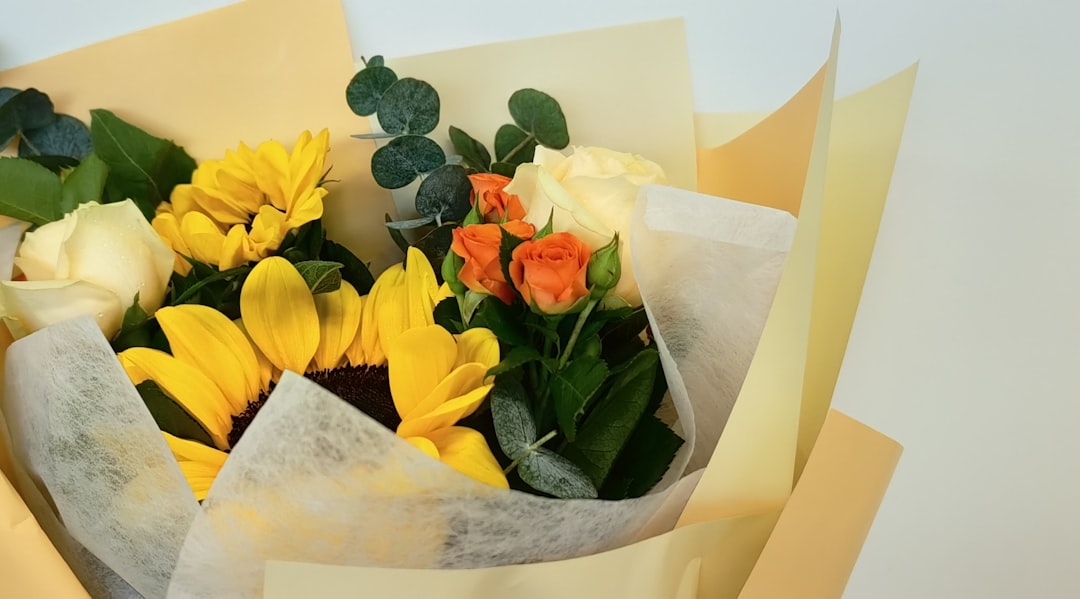
Contents:
- Quick Answer: What’s the Best Wrapping Paper for Flower Bouquets?
- What Makes a Great Flower Bouquet Wrapper?
- Kraft Paper: The Sustainable Star
- Rustic Charm, Maximum Versatility
- Cellophane: Shine, Protection, and Show-Off Factor
- The Classic Florist Favorite
- Fabric Wrapping: Furoshiki, Linen, and the Rise of Reusables
- Luxe, Zero Waste, and On-Trend
- Tissue Paper: For Color and Layering
- The Art of the Accent
- Specialty Prints, Designer Papers, and Innovations
- Going Beyond Basics
- A Florist’s Cheat Sheet: Picking the Right Wrap
- FAQ: Flower Bouquet Wrapping Paper
- What is the most eco-friendly wrapping paper for flower bouquets?
- Is cellophane wrapping good for flowers?
- How do I keep a wrapped bouquet fresh longer?
- Can I use regular gift wrapping paper for flowers?
- Where can I buy professional bouquet wrapping paper in the US?
- Looking Ahead: Try a New Wrap Next Bloom
Flower Bouquet Wrapping Paper Compared
Walk through the flower section at a boutique grocer or scroll Instagram’s #flowergram, and you’ll see just how much bouquet wrapping paper shapes the first impression. The wrapping isn’t just a pretty afterthought. It’s a statement–about your taste, your values, even the occasion itself. Curious which styles hold up, which offer sustainability, and which truly make blooms pop? Let’s break down the options, from affordable grocery finds to the luxury wraps used by the country’s best florists.
Quick Answer: What’s the Best Wrapping Paper for Flower Bouquets?
The best flower bouquet wrapping paper blends style, function, and sustainability. Here’s a quick comparison:
| Type | Appearance | Protection | Eco-Friendliness | Price Range (USD) | Best For |
|---|---|---|---|---|---|
| Kraft Paper | Rustic, simple | Good | High | $0.40 – $1.00/sheet | Everyday, eco-conscious gifts |
| Cellophane | Glossy, modern | Excellent | Low-Med (biodegradable types exist) | $0.25 – $1.50/sheet | Wet stems, dramatic reveals |
| Fabric Wrap | Luxurious, reusable | Varies | High (if natural) | $2 – $9/piece | Premium, zero-waste gifting |
| Tissue Paper | Soft, delicate | Poor-Fair | Medium | $0.15 – $0.60/sheet | Layering, color pops |
| Specialty Prints | Bold, statement | Good | Varies | $1.50 – $10/sheet | Branding, themed events |
“Eco-friendly kraft paper now accounts for over 40% of boutique florist wraps in the US,” says Lena Morales, owner of Green Stem Floral in Austin, TX.
What Makes a Great Flower Bouquet Wrapper?
Flower bouquet wrapping paper does much more than look pretty. It must:
- Keep stems hydrated or contained
- Allow the flowers to breathe
- Complement (not overpower) the blooms
- Convey the mood or occasion: sympathy, romance, garden-fresh whimsy, etc.
- Reflect personal or business values (like sustainability)
Most American florists in 2026 favor functional, beautiful wraps that also consider the environment. According to a 2025 survey by the Society of American Florists, nearly 60% of buyers said eco-friendly packaging impacted their purchase decision.
Kraft Paper: The Sustainable Star
Rustic Charm, Maximum Versatility
If you’ve received a farmer’s market bouquet wrapped in brown kraft paper, you know the look–understated, earthy, and just a bit nostalgic. Kraft paper is unbleached, tough, and easy to recycle or compost. It makes even grocery store flowers feel bespoke.
Why Florists Love Kraft
- Breathable: No risk of mildew or “sweaty stems”
- Stays put: Holds shape with a simple twine tie or branded sticker
- Customizable: Often rubber-stamped or paired with colored tissue
“I switched to kraft for 90% of my bouquets. Customers adore the ‘farm-fresh’ vibe–and I save money on packaging,” shares Jamal Rivers, Lead Designer at Petal & Vine, Seattle.
Downsides
- Offers less moisture barrier–may need an inner plastic or waxed layer for wet stems
- Colors limited (though black, white, and pastel-printed kraft are now common)
Price: Expect to pay $0.40-$1.00 per 20×20 inch sheet in bulk.
Cellophane: Shine, Protection, and Show-Off Factor
The Classic Florist Favorite
Cellophane’s glossy finish gives even a basic supermarket bouquet a “finished” look. It’s water-resistant, holds delicate blooms in place, and creates that crinkle of anticipation when unwrapped.
Modern Cellophane Options
- Traditional: Petroleum-based, not biodegradable
- Biodegradable: Made from plant cellulose, breaks down in compost (look for brands like EcoCelo or BioBag)
Where Cellophane Excels
- Protects damp stems–vital for hydrangeas and thirsty tulips
- Brilliant for gifting: The clarity lets the flowers take center stage
- Can be layered with tissue or kraft for a luxe effect
Tip: Double-wrap–a thin inner cellophane layer seals in moisture, outer kraft adds style.
Drawbacks
- Environmental impact (unless you opt for compostable brands)
- Can look generic unless paired with fabric ribbon or decorative twine
Price: $0.25-$1.50 per large sheet; biodegradable options are on the pricier side.
Fabric Wrapping: Furoshiki, Linen, and the Rise of Reusables
Luxe, Zero Waste, and On-Trend
Fabric wrap transforms a bouquet into a gift-within-a-gift. The Japanese art of furoshiki–wrapping items in cloth–has surged stateside. US florists now use swatches of linen, cotton, or muslin to wow eco-conscious clients.
Why Choose Fabric?
- 100% reusable, often gifted alongside the bouquet
- Rich textures (think: dyed linen, bold cotton prints)
- Zero crinkle or tearing
- Can double as table decor or a keepsake scarf
Brands to watch in 2026: Wrappr (organic cotton wraps, starting at $6 each), and KnotWrap by LUSH for bold, graphic prints.
Considerations
- More expensive upfront
- Not waterproof–often paired with a protective inner wrap for fresh stems
Price: $2-$9 each, but reusable dozens of times.
Tissue Paper: For Color and Layering
The Art of the Accent
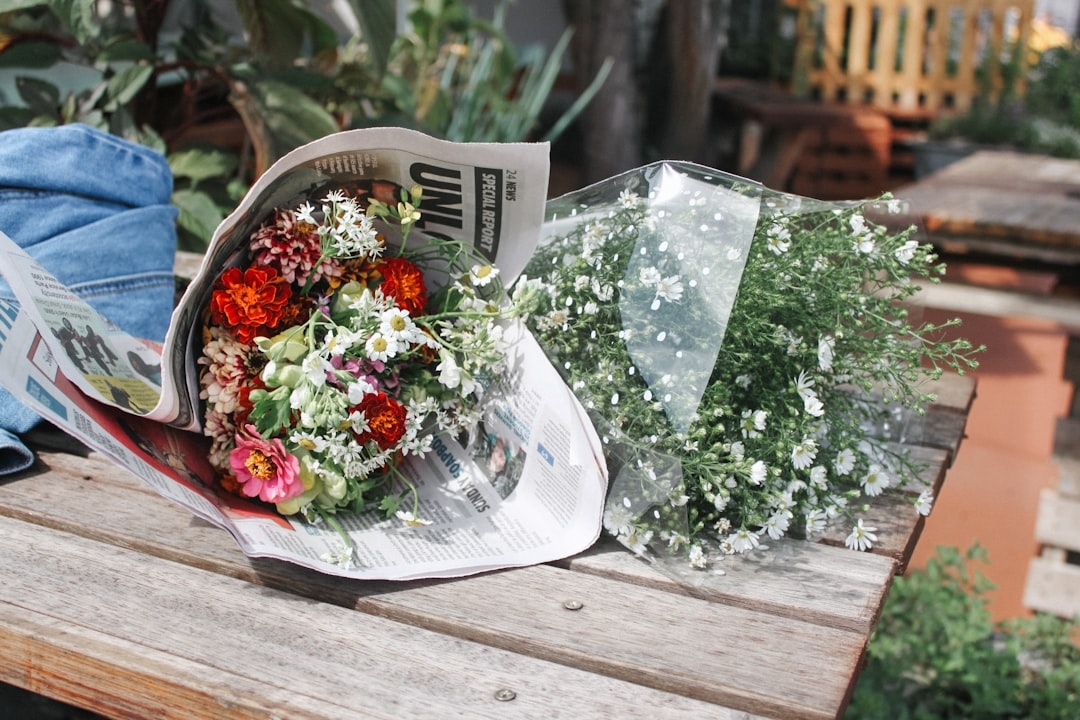
Tissue paper is all about effect. Used alone, it’s delicate and vulnerable to water stains. Layer it under kraft or cellophane, and it creates a pop–think pastel peep-throughs and seasonal color themes.
The Good
- Huge color selection–ideal for holidays, birthdays, or branding
- Softens the look of more utilitarian wraps
- Inexpensive (as low as $0.15 per sheet)
The Not-So-Good
- Tears easily, especially if stems are damp
- Not sturdy enough for heavy or wild bouquets
Pro florist tip: “Tissue’s my little secret for Mother’s Day and graduations–people want that burst of color when they open the bouquet,” says Emily Chang, co-owner of Blossom Society, Boston.
Specialty Prints, Designer Papers, and Innovations
Going Beyond Basics
Want a “wow” factor? Specialty papers–think marble-printed, holographic, or artisan-marbled–have become the gold standard for branding and luxury gifting.
What’s Trending in 2026
- Seed-infused paper: Plant the wrap and watch wildflowers grow
- Hand-printed mulberry paper from eco-minded brands like Paper Source
- Waterproof coated designs with metallic finishes
These wraps can cost $1.50-$10 per sheet, but they’re showstoppers for weddings, corporate gifts, or premium delivery services like UrbanStems and Farmgirl Flowers.
When to Splurge
- Brand gifting and influencer kits
- Milestone birthdays and anniversaries
- PR, media, or high-profile events
A Florist’s Cheat Sheet: Picking the Right Wrap
Here’s a quick checklist to match the paper to your floral moment:
- Simple, rustic, or eco-friendly: Kraft or recycled paper
- Classic, moisture-resistant, sleek: Cellophane or glassine
- Statement gift, reusable: Fabric wrap
- Colorful pop, layering: Tissue paper
- High-impact, personalized, or luxury: Specialty designer sheets
“The best wrap is the one that makes your bouquet feel intentional. Even a basic bunch feels thoughtful with a single, well-chosen layer,” says Dominique Wilson, AIFD-Member and Atlanta boutique florist.
FAQ: Flower Bouquet Wrapping Paper
What is the most eco-friendly wrapping paper for flower bouquets?
Kraft paper and fabric wraps (like linen or cotton) are the most eco-friendly options. Both are reusable or compostable and typically uncoated. Look for paper with recycled content or wraps from brands specializing in sustainable materials.
Is cellophane wrapping good for flowers?
Cellophane is excellent for protecting flowers and keeping stems moist during transit. Modern, biodegradable cellophane options are available and preferred for eco-conscious buyers.
How do I keep a wrapped bouquet fresh longer?
Wrap stems in damp paper towels, then seal with plastic or cellophane before applying decorative outer wrap. Change water and trim stems upon arrival.
Can I use regular gift wrapping paper for flowers?
Regular gift wrap looks festive but isn’t designed for damp stems; it can tear or become soggy. If using, line the inside with a layer of plastic or waxed paper.
Where can I buy professional bouquet wrapping paper in the US?
Major suppliers include ULINE (for bulk kraft and cello), Papermart (for colored tissue and prints), and specialty eco brands like EcoEnclose and Wrappr. Many local craft stores carry basics, but professional-grade wraps offer better durability and finish.
Looking Ahead: Try a New Wrap Next Bloom
The next time you give–or receive–flowers, notice the wrap. It’s more than packaging. Explore fabric for a green twist, or add a signature sticker to kraft for artisanal flair. Local florists are always innovating with new textures and eco-friendly materials–don’t be afraid to ask for something bespoke. Your bouquet (and the planet) will thank you!