Contents:
- Quick Answer: How Many Varieties of Amaryllis Are There?
- Amaryllis vs. Hippeastrum: Clearing Up the Confusion
- The Numbers: Counting Amaryllis (Hippeastrum) Varieties
- Categories of Amaryllis Varieties
- Top-Selling Varieties in the US (2026 data, FloraSource annual report)
- Beyond the Classics: Rare and Unusual Amaryllis Varieties
- Cybister Types
- Double Flowers
- Miniatures and Tabletop Hybrids
- How New Amaryllis Varieties Are Created
- Patent Trends and the US Market
- Amaryllis Varieties in the Florist and Home Market
- Price Range by Variety
- Gem Varieties: US Favorites and Rising Stars
- Frequently Asked Questions
- ### How many Amaryllis species are there worldwide?
- ### Why is it called “amaryllis” in the US if it’s actually Hippeastrum?
- ### Are new amaryllis varieties still being developed?
- ### What’s the rarest amaryllis you can buy in the US?
- ### Can you grow all amaryllis varieties as houseplants?
- Looking Ahead: How to Find Your Unique Amaryllis
How Many Varieties of Amaryllis Actually Exist?
The winter holidays in the US wouldn’t feel the same without the bold, trumpet blooms of the amaryllis. They appear everywhere–on window sills, in garden centers, and boxed up with ready-to-grow kits. But behind the familiar ‘Red Lion’ variety lurks a world brimming with dazzling diversity. Most people would guess “a few kinds,” but the real number might just surprise you.
Quick Answer: How Many Varieties of Amaryllis Are There?
Directly answering the key question:
There are over 90 recognized species in the broader Amaryllis family, but the plant we know as “amaryllis” in the U.S. market (botanically part of the Hippeastrum genus) comprises more than 600 officially registered varieties and hybrids as of 2026. This includes classic reds, candy-striped novelties, and exotic doubles, with new cultivars released each year by breeders worldwide.
“What most Americans call amaryllis is actually a Hippeastrum–the family’s star performer, especially from Holland’s breeders.”
– Dr. Elaine Figueroa, Senior Horticulturist, American Florists Society
Amaryllis vs. Hippeastrum: Clearing Up the Confusion
Before we get lost in numbers, there’s a botanical twist. In U.S. floristry and gardening stores like The Sill or White Flower Farm, “amaryllis” almost always refers to Hippeastrum, a South American bulb, not the true Amaryllis belladonna–which is native to South Africa and rare in American gardens.
Comparison Table: True Amaryllis vs. Hippeastrum
| Feature | Amaryllis belladonna | Hippeastrum species (market “amaryllis”) |
|---|---|---|
| Native to | South Africa | South America (Brazil, Peru, etc.) |
| Number of species | 1 official | 90+ species, 600+ hybrids |
| Typical flower time | Late summer (outdoors) | Winter (indoors or greenhouse) |
| Common in US stores? | Rare | Yes, very common |
| Flower color | Pink | Red, white, orange, pink, bi-color, more |
So, when Americans grow “amaryllis,” they’re almost always nurturing a Hippeastrum hybrid–and that’s where the staggering variety lives.
The Numbers: Counting Amaryllis (Hippeastrum) Varieties
The world’s largest registry for Hippeastrum varieties is held by The Royal General Bulbgrowers’ Association (KAVB) in the Netherlands. As of January 2026, they list over 600 distinct varieties in commercial production, with at least two dozen new introductions every year.
Categories of Amaryllis Varieties
Growers and florists generally group Hippeastrum varieties by:
- Flower Form: Single, double, miniature, cybister (spidery, star-shaped)
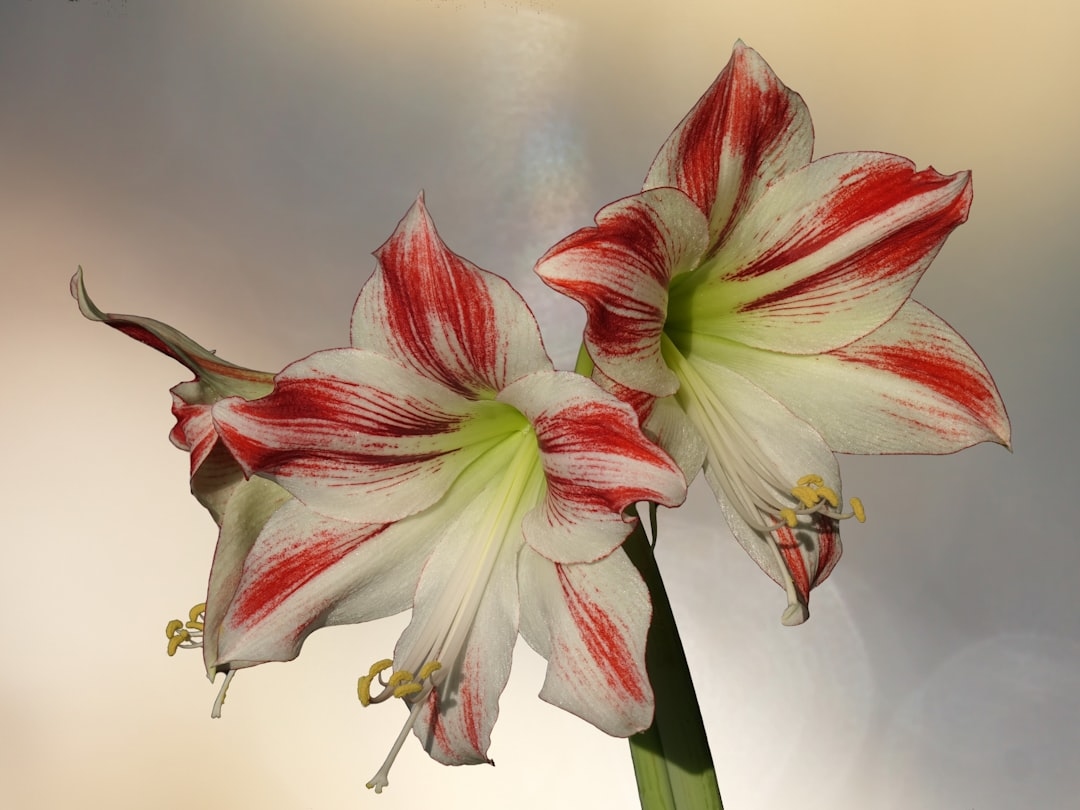
- Color Patterns: Solid, striped, edged, patterned
- Bloom Size: Large (8″+ across), standard, or miniature
- Stem Height: Tall (30+ inches), medium, or compact (suitable for tabletop pots)
Top-Selling Varieties in the US (2026 data, FloraSource annual report)
- ‘Red Lion’ (classic red single)
- ‘Apple Blossom’ (white with pink blush)
- ‘Minerva’ (red and white star)
- ‘Samba’ (double red)
- ‘Papilio’ (rare, moth-shaped green and burgundy)
A single bulb farm in southern Florida–Magic Valley Amaryllis–now offers 58 varieties for shipping across the country, from snow-white ‘Mont Blanc’ to the lime-and-burgundy ‘Emerald.’
Beyond the Classics: Rare and Unusual Amaryllis Varieties
The explosion in amaryllis types isn’t just about color tweaks. Some breeders specialize in truly unique forms:
Cybister Types
Inspired by wild species, these have narrow, spidery petals–like the cult-favorite ‘La Paz’ or ‘Chico.’ They’re sought after by collectors and pop up in high-end designs by US florists like UrbanStems.
Double Flowers
Petal-packed varieties such as ‘Dancing Queen’ or ‘Elvas’ look more like peonies than typical amaryllis. Double forms now account for 14% of U.S. amaryllis bulb sales according to Greenhouse Grower’s 2026 survey.
Miniatures and Tabletop Hybrids
Urban apartments sparked demand for mini ‘Pixie’ and ‘Petite Star’ types–compact plants with blooms just 3-4 inches across. These now fill a niche for New York and San Francisco flower delivery brands.
How New Amaryllis Varieties Are Created
Hippeastrum breeders have gotten wildly creative in recent decades. Dutch companies like De Ree and US-based Brent and Becky’s Bulbs use controlled cross-pollination and tissue culture to combine traits. Hybridizers might cross a showy, tall red with a petite, disease-resistant white, hoping for a winning combo.
“It takes nearly 8 years from cross to commercial variety,”
says Jason Kim, Breeder at Florida Classic Bulb Co.
“That’s why new introductions are precious–and why the registry keeps growing.”
Patent Trends and the US Market
US plant patents for new Hippeastrum varieties have doubled in the last 15 years. Each patented plant–like the recently introduced ‘Cherry Nymph’–offers exclusivity for growers and florists, fetching premium prices ($18-25 per bulb, winter 2026).
Amaryllis Varieties in the Florist and Home Market
In 2026, every major US flower-delivery service–from 1-800-Flowers to Bouqs–features amaryllis bulbs and arrangements between Thanksgiving and Valentine’s Day. Some of the most popular categories:
- Gift Kits: Classic red, white, or pink bulbs pre-potted with care instructions, sold by Harry & David or ProFlowers.
- Designer Cuts: Tall stems of ‘Apple Blossom’ or ‘Minerva’ in premium bouquets (from $55).
- Collector Packs: Limited-edition sets of rare doubles or cybister types for enthusiasts.
Price Range by Variety
| Variety Type | Typical Retail Price (2026) |
|---|---|
| Common singles | $12-$18 per bulb |
| Doubles | $16-$25 per bulb |
| Miniatures | $14-$20 per bulb |
| Rare/Collector’s | $20-$35 per bulb |
Gem Varieties: US Favorites and Rising Stars
A handful of amaryllis varieties have achieved cult status in the States. Every seasoned florist has their personal favorites, but here’s a shortlist (as quoted by Miranda Lowe, Lead Designer at Bloom & Vine, Seattle):
- ‘Mandela’: Deep, near-black red. “It’s requested every New Year wedding.”
- ‘Ferrari’: Velvety classic red, long stems, perfect for modern arrangements.
- ‘Nymph’ Series: Massive, ruffled doubles.
- ‘Papilio’: Green with burgundy veining, prized by plant collectors.
And keep an eye on unexpected colors like lime green and salmon-pink, which are showing up across US influencer and Instagram feeds in the 2026 holiday season.
Frequently Asked Questions
### How many Amaryllis species are there worldwide?
There are about 90 species in the broader Amaryllidaceae family, but the true Amaryllis genus has only one main species: Amaryllis belladonna. The vast majority of amaryllis varieties in the US are hybrids of Hippeastrum, with over 600 varieties registered globally.
### Why is it called “amaryllis” in the US if it’s actually Hippeastrum?
The confusion dates back to the 1800s, when Hippeastrum bulbs were first imported into Europe and the US. They were marketed as “amaryllis,” a name that stuck. Botanists later clarified the family split, but the common name never changed in US retail and floristry.
### Are new amaryllis varieties still being developed?
Yes! Breeders launch about 20-25 new Hippeastrum varieties every year. These include bolder colors, new double forms, more compact sizes, and improved disease resistance.
### What’s the rarest amaryllis you can buy in the US?
Varieties like ‘Papilio’ (the butterfly amaryllis) or heirloom forms from South America are rare in US stores, often costing $30 or more per bulb. Some true Amaryllis belladonna bulbs are also considered collector’s items.
### Can you grow all amaryllis varieties as houseplants?
Most Hippeastrum hybrids thrive indoors across the US. Some specialty or wild types prefer greenhouse or southern outdoor conditions, but the vast majority are suited for home-forcing in pots.
Looking Ahead: How to Find Your Unique Amaryllis
With over 600 registered amaryllis (Hippeastrum) varieties and new types arriving each year, there’s a bloom for every style, taste, and home. For anyone in the US craving something beyond the usual red, check local garden centers each holiday season, or surf specialty bulb sellers for limited-edition introductions. Trying a few new varieties each winter isn’t just about variety–it’s a doorway to one of floristry’s most colorful passions.