Contents:
- Quick Answer: How Many Varieties of Lisianthus Are There–Really?
- What Defines a Lisianthus Variety?
- Major Types of Lisianthus
- The Most Popular Lisianthus Varieties in 2026
- Why the Numbers Change: Breeding, Patents, and the US Market
- Rapid Breeding and Rebranding
- Patents and Plant Protection
- Local Adaptation
- The Wild Roots of Domestic Lisianthus
- How US Florists and Growers Choose Lisianthus Varieties
- Buying Lisianthus: Where Americans Find the Variety
- Is There a “Best” Lisianthus Variety? Expert Picks by Purpose
- FAQ: Lisianthus Varieties and Growing in America
- How many lisianthus varieties are there in 2026?
- What’s the difference between lisianthus, eustoma, and Texas bluebell?
- Which lisianthus variety lasts longest in a vase?
- Can I grow unusual lisianthus colors at home in the US?
- What’s the most popular lisianthus variety for weddings in the US?
How Many Varieties of Lisianthus Actually Exist? A Complete Guide for Flower Lovers
Ever tried to pick out lisianthus for a bouquet and wondered why florists offer so many–but never quite the same–options? You’re not alone. The world of lisianthus is both dazzling and confusing, with names like ‘ABC Blue’, ‘Rosanne Brown’, and ‘Voyage Light Apricot’ swirling around. The truth is, lisianthus isn’t a single flower. It’s a vast, ever-evolving family that keeps American growers, florists, and home gardeners enchanted–and occasionally scratching their heads.
Quick Answer: How Many Varieties of Lisianthus Are There–Really?
Ask three experts and you’ll get three numbers. As of 2026, there are over 60 recognized lisianthus cultivars commercially available in the US, spread across four main types (single, double, fringed, and miniature). The wild species count is much lower: Eustoma grandiflorum is the primary species cultivated, with only two very close wild relatives worldwide. But, breeding and selection has led to hundreds of named varieties (also called “cultivars” or “series”), each with unique color, form, and petal texture.
“In my current catalog alone, I list 48 distinct lisianthus varieties for the cut flower market, and that’s just from major breeders like Sakata, Takii, and PanAmerican Seed.”
– Rebecca Salazar, master florist and cut flower grower, Denver, CO
What Defines a Lisianthus Variety?
Not every purple bloom is created equal. The scientific Eustoma grandiflorum underpins almost all lisianthus you’ll see in American floral shops. The confusion comes from the way breeders name and describe their creations. Here’s how the system works:
- Species: Almost always Eustoma grandiflorum (syn. E. russellianum)
- Series: A group of similar cultivars, e.g., ‘Voyage’, ‘Echo’, ‘ABC’
- Cultivar/Variety: A specific selection, like ‘ABC Blue Picotee’ or ‘Rosita White’
Major Types of Lisianthus
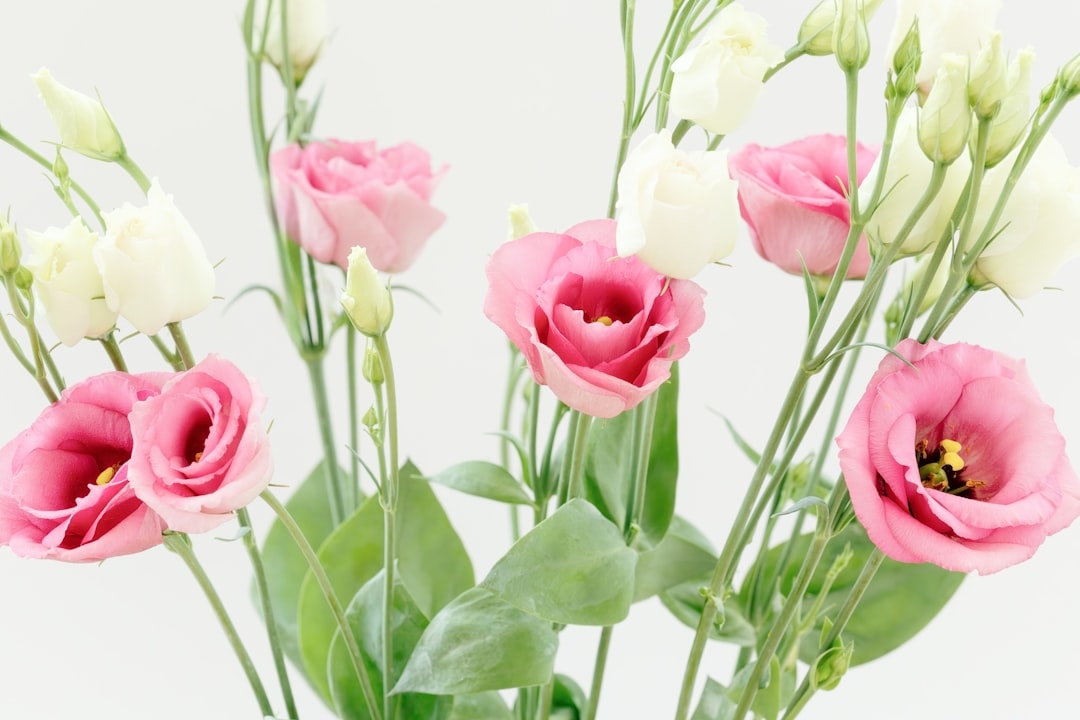
- Single-Flowered: Fewer petal layers, look more like poppies.
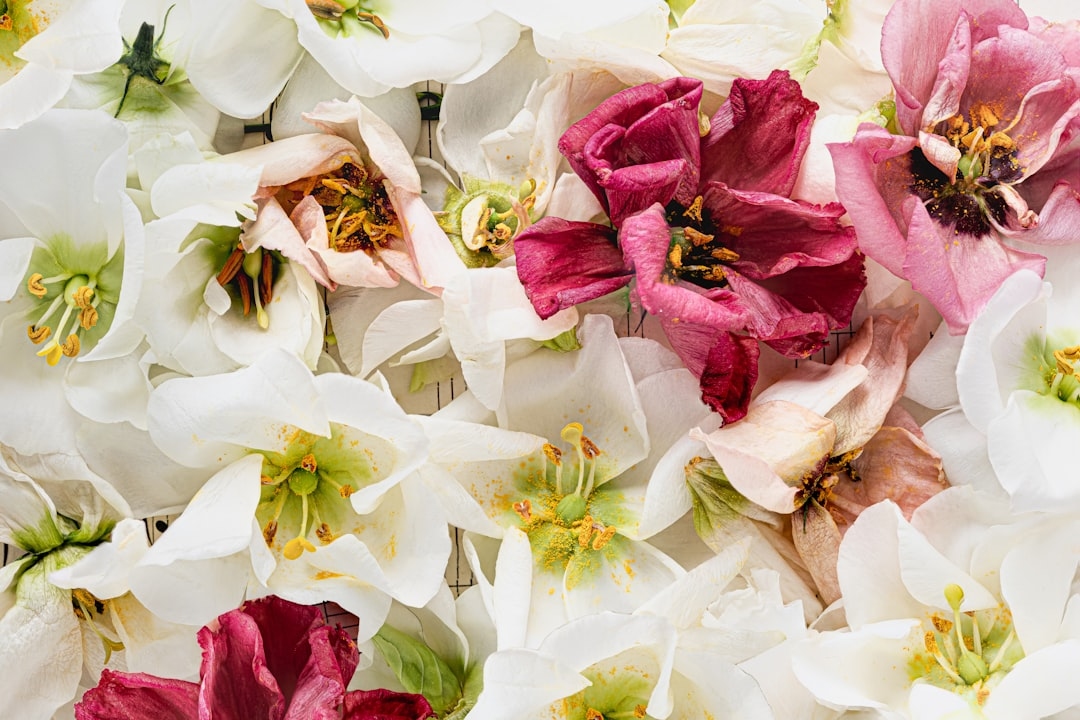
- Double-Flowered: Extra petals; lush, rose-like appearance.
- Fringed or Ruffled: Edge petals have feathery texture.
- Mini/Compact: Shorter stems, ideal for pots or boutique bouquets.
The Most Popular Lisianthus Varieties in 2026
Some lisianthus series have become staples in both commercial and wedding floristry. Here’s a quick list of crowd-pleasers:
- ABC Series (Sakata Seed): Known for strong stems and vibrant colors. Top picks include ‘ABC Purple’ and ‘ABC 2 Champagne’.
- Rosanne Series (Takii): Sought after for their unique hues like ‘Rosanne Brown’ and ‘Rosanne Green’.
- Voyage Series (Sumika): Beloved for gigantic ruffled blooms; ‘Voyage Blue’ and ‘Voyage Light Apricot’ steal the show.
- Echo Series (Sakata): Early to flower, good for North American summer markets. Popular for ‘Echo Pink’ and ‘Echo Lavender’.
| Series | Flower Form | Color Range | Best Use |
|---|---|---|---|
| ABC | Double | White, pink, purple, green | Event/wedding bouquets |
| Rosanne | Double | Brown, green, yellow | Statement arrangements |
| Voyage | Extra-double | Blue, apricot, pink | Large luxury displays |
| Echo | Single/Double | Pink, blue, lavender | Everyday & early season |
Why the Numbers Change: Breeding, Patents, and the US Market
No two years look the same in the world of lisianthus varieties. Here’s why:
Rapid Breeding and Rebranding
Major seed companies–like Sakata, PanAmerican Seed, and Syngenta–release new lisianthus cultivars almost annually. In 2024 alone, three new color forms were introduced in the US, according to Modern Floriculture magazine.
Patents and Plant Protection
Many newer lisianthus varieties are patented or trademarked, which affects what American growers can legally propagate or sell. Some varieties may only be available for a limited time due to licensing or changing trends.
“Every season, I have to check what’s actually ship-able to California through certified distributors,” says Lisa Pham, a wholesale florist in San Francisco. “Some of last year’s favorites disappear as breeders update their lines.”
Local Adaptation
Certain lisianthus cultivars thrive in different American climates. For instance, Texas growers often choose robust heat-tolerant types, while Pacific Northwest farms opt for varieties that perform well in cooler, cloudier summers.
The Wild Roots of Domestic Lisianthus
Lisianthus might seem like a pure product of horticultural wizardry, but its ancestors are native to the American Southwest and northern Mexico. The wild species you might spot growing along Texas roadsides look surprisingly different from their lush, cultivated cousins–usually more petite, with simpler blooms.
As of 2026, botanists recognize these wild species:
- Eustoma exaltatum (found as far north as Nebraska)
- Eustoma grandiflorum (the basis for all commercial lisianthus)
American florists overwhelmingly use hybrids and selected lines of Eustoma grandiflorum for color, vase life, and stem strength.
How US Florists and Growers Choose Lisianthus Varieties
It’s not just about color. Here’s what professionals consider:
- Bloom Time: Early, mid, and late-flowering types for continuous supply.
- Stem Length: Event designers crave 30+ inch stems for drama.
- Color Trends: Demand for trendy tones (taupe, mocha, muted pinks) spikes around wedding season. Expect to pay more for rare shades–‘Rosanne Brown’ can retail for $3-5 per stem at premium florists in New York or LA.
- Disease Resistance: Fusarium and Botrytis are real threats, so commercial growers gravitate toward newer, tougher strains.
“Color is the first thing customers ask about, but I always recommend lisianthus for its vase life–often 2 weeks or more if handled gently.”
– Eliot Marsh, owner, Marsh Flower Farm, Iowa
Buying Lisianthus: Where Americans Find the Variety
You don’t have to be a professional to enjoy uncommon lisianthus. Here’s where to look:
- US Seed Suppliers: Johnny’s Selected Seeds, Harris Seeds, and Ball Seed offer home gardeners 10-15 lisianthus varieties each season.
- Florists: UrbanStems, Farmgirl Flowers, and local boutique shops stock at least four varieties during peak season (June-September).
- Farmers’ Markets: Look for unique colors from small-scale flower farms.
Tip: Pre-order specialty lisianthus for weddings at least 6 months out. For rare colors like ‘Rosanne Brown’ or ‘Voyage Green’, larger minimum orders and higher prices apply.
Is There a “Best” Lisianthus Variety? Expert Picks by Purpose
Choosing the right lisianthus depends on your style and needs. Here are three expert-backed favorites:
- For Longevity: ‘ABC 2 Purple’ (Sakata) boasts vase life up to 16 days.
- For Unique Color: ‘Rosanne Deep Brown’ (Takii) wins trend awards every year since 2024.
- For Home Gardens: ‘Echo Pink Picotee’ flowers early and does well even in short US summers.
FAQ: Lisianthus Varieties and Growing in America
How many lisianthus varieties are there in 2026?
There are over 60 named lisianthus varieties commercially available in the US market as of 2026, with breeders releasing new ones each year. Hundreds of cultivars exist globally.
What’s the difference between lisianthus, eustoma, and Texas bluebell?
They all refer to the same plant. “Lisianthus” is the common florist name; “Eustoma” is the botanical genus; “Texas bluebell” is a nickname for wild-growing forms in the Southwest.
Which lisianthus variety lasts longest in a vase?
Florists report the ‘ABC’ and ‘Rosita’ series (especially ‘ABC 2 Purple’ and ‘Rosita White’) last up to 16 days in water if stems are re-trimmed and kept cool.
Can I grow unusual lisianthus colors at home in the US?
Yes! Home gardeners can purchase seeds or plugs for unique varieties like ‘Rosanne Green’ or ‘Voyage Blue’ from specialty seed houses, but most rare forms are best grown by experienced gardeners due to slow germination and care needs.
What’s the most popular lisianthus variety for weddings in the US?
As of 2026, ‘Voyage Light Apricot’ and ‘Rosanne Brown’ are wedding favorites for their soft, on-trend hues and lush shape.
Thinking about your next event or just want to liven up the kitchen table? Don’t be shy about asking your local florist for something new–many US growers are happy to take custom requests for specialty lisianthus. With breeders pushing boundaries every season, 2026 might be your year to discover a new favorite bloom. Start scouting now, because the most exciting lisianthus varieties may only be one season away.