Contents:
- Quick Answer: Is Renting a Floral Studio Better Than Working from Home?
- Cost Comparison: Home-Based Florists vs Rented Studios
- Workflow and Productivity: Does Studio Space Really Matter?
- The Home Office Reality
- Studio Advantages
- Branding & Customer Experience: Perception Is Reality
- Legal, Regulatory, and Zoning Considerations
- Home Office Legalities
- Studio Rules
- Scaling Up: When Is It Time to Move Out of the House?
- Real Florist Stories: Successes and Stresses
- Key Takeaways for U.S. Florists in 2026
- FAQ: Floral Studio Rental vs Home Office
- What is the average cost of renting a floral studio in the US in 2026?
- Can I run a profitable flower business from home?
- Are there legal restrictions on home-based flower businesses?
- Does having a separate studio improve credibility with clients?
- When should a florist move from home to a studio?
Floral Studio Rental vs Home Office: Where Should Florists Work in 2026?
The smell of fresh peonies at 6 a.m. Blunt pruners, cold water, and buckets stacked to the ceiling. For thousands of American florists, the workspace is as personal as the bouquets they create. But where do the magic and mess of floristry belong? In a cozy home studio that shares a space with your espresso machine, or a dedicated floral shop with polished floors and walk-in coolers on Main Street? In 2026, with flower delivery services booming and home-based businesses thriving on Etsy and Instagram, choosing between floral studio rental vs home office isn’t just a logistical question–it affects your artistry, your business growth, and your stress level.
Quick Answer: Is Renting a Floral Studio Better Than Working from Home?
Short version: Renting a floral studio provides more space, professionalism, and storage, crucial for growing businesses and big event florists. But a home office wins for flexibility, lower costs, and ease of entry–especially for solo designers or side hustlers. Your choice should hinge on your business goals, local market, budget (expect $1,500-$4,000/month for US retail space in 2026), and how many stems you juggle weekly. Many florists start at home and “graduate” to a studio once demand (and mess!) outgrow the kitchen table.
Cost Comparison: Home-Based Florists vs Rented Studios
Let’s talk dollars and square footage. According to the American Institute of Floral Designers (AIFD), the average US floral studio rental in 2026 ranges from $18 to $36 per square foot annually, with urban areas (think Brooklyn, Austin) skewing higher. For an 800 sq ft space, that’s between $1,200 and $2,400 monthly–plus utilities, insurance, security deposits, and sometimes mandatory upgrades to meet health and fire codes.
Here’s a side-by-side comparison:
| Aspect | Home Office | Rented Floral Studio |
|---|---|---|
| Monthly Cost | $0-$300 extra utilities, supplies | $1,500-$4,000+ rent, utilities, insurance |
| Space | 100-300 sq ft (often shared with home life) | 400-2,000+ sq ft, dedicated workspace |
| Storage | Limited (house fridge, small shelving) | Commercial cooler, shelving, backroom |
| Zoning/Permits | Sometimes tricky, varies by city | Must be zoned commercial |
| Walk-in Clients | Rare, usually by appointment only | Frequent foot traffic (if retail studio) |
| Work/Life Balance | Blurred lines | Physical separation |
| Branding | Personal, intimate | Professional, more scalable |
“I worked out of my garage for three years and maxed out at fifteen weddings a season,” says Jasmine Rivera, owner of Philadelphia’s Petal Theory. “The minute I moved to a dedicated studio, I could take on thirty, hire a team, and my stress dropped by half.”
Workflow and Productivity: Does Studio Space Really Matter?
The Home Office Reality
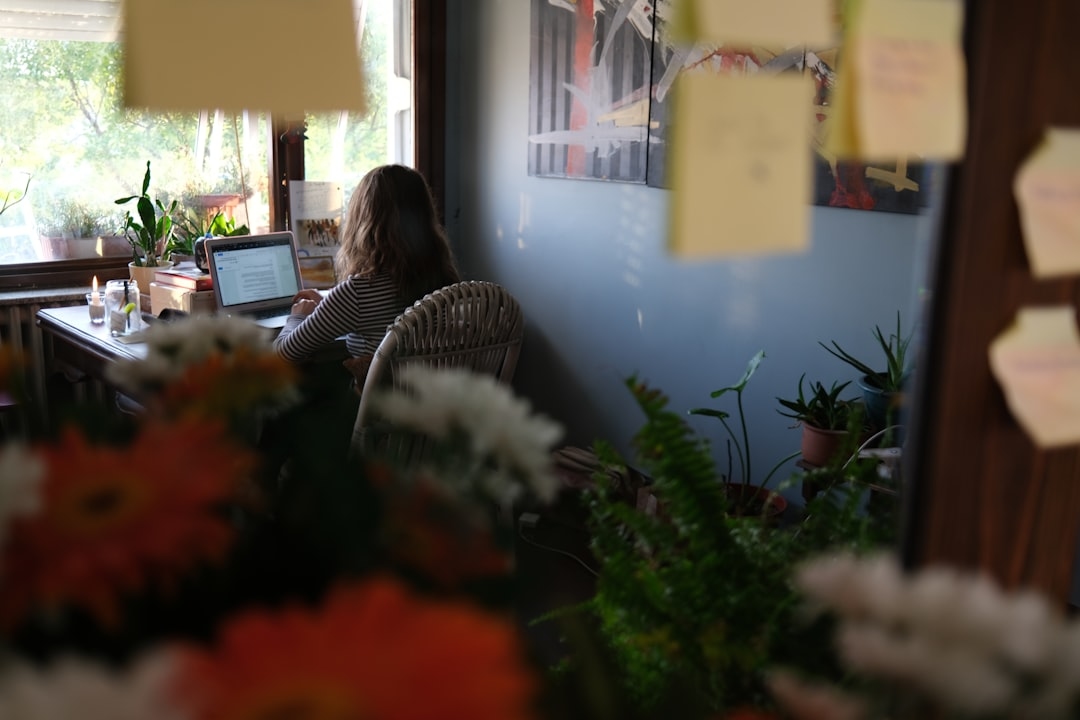
Arranging stems at your kitchen counter saves on rent, but it also means you’ll find petals in your cereal. For solopreneurs or part-timers, the convenience is unbeatable. Yet as your orders grow (Mother’s Day, Valentine’s–hello, chaos!), the limitations become glaring:
- Lack of proper refrigeration means wilting blooms.
- Cleaning buckets in your bathtub? Not ideal.
- Deliveries interrupting your toddler’s nap schedule.
Per a 2025 survey by the Floral Business Journal, 63% of home-based florists reported “major space constraints” during peak seasons.
Studio Advantages
A dedicated floral studio brings industrial sinks, rolling work tables, and a commercial walk-in cooler. Layout efficiency skyrockets. You can receive supplier deliveries without sneaking work out the back door. Big events? You’ll have enough elbow room to prep thirty centerpieces at once.
A well-organized studio also supports hiring part-timers–a game-changer for florists scaling up. Studio space supports, not stifles, business growth.
Branding & Customer Experience: Perception Is Reality
Would a wedding client feel confident picking up a $3,500 bridal order from your split-level living room? Maybe. Will walk-in customers swing by your house after spotting your Instagram ad? Unlikely.
In-person consultations, styled photo shoots, and “pick-your-own bouquet” workshops are far easier–and more impressive–in a studio setting. According to Amy Duong, former head of retail for BloomNation (the Etsy of flowers), “Customers equate a dedicated floral studio with legitimacy and permanence. That translates directly to higher average order values–our data shows a 22% increase for studios over home-based florists.”
But it’s not all about appearances. Home-based florists can cultivate an ultra-personal, boutique vibe–like hand-delivering arrangements in vintage milk jugs. Many loyal customers prefer this authenticity.
Legal, Regulatory, and Zoning Considerations
Home Office Legalities
Can you legally run a floral business from home? Americans are split: some cities (Portland, Denver, Nashville) make it easy to operate a home business with minimal red tape, provided you don’t generate too much traffic, noise, or signage. Others restrict commercial activity or require specific home occupation permits.
Selling perishables (fresh flowers, floral edibles) may trigger additional scrutiny from zoning boards or health departments. If you host classes or have employees, regulations tighten further.
Studio Rules
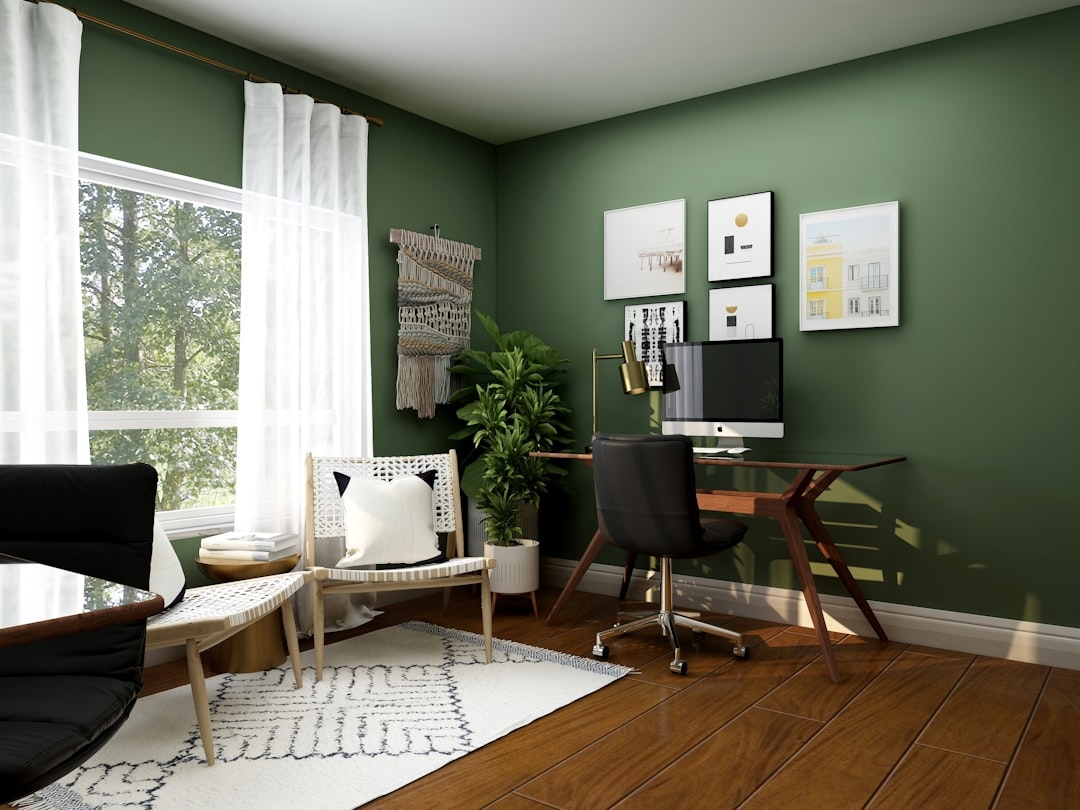
A commercial studio must be up to code–fire extinguishers, ADA compliance, commercial waste disposal, and often retail insurance. Expect an inspection before opening. For event-focused operations with no walk-in retail, studios in industrial zones may be more affordable and flexible than Main Street storefronts.
Local regulations can change yearly, so always check city and county requirements before signing a lease.
Scaling Up: When Is It Time to Move Out of the House?
“Your home business is outgrowing your house when you have more buckets than chairs and your fridge is 90% ranunculus,” quips Diana Lee, Certified Master Florist.
Signs it’s time to upgrade:
- Booked solid at peak holidays, with no space to store more blooms.
- Neighbors start complaining about delivery vans or early-morning work noise.
- You’re losing out on big event clients because you can’t showcase your work or host meetings.
- You want to hire help but can’t fit another person in your home workspace.
- You hit zoning limits on business activity.
Many florists bridge the gap with shared studio rentals or by using co-working spaces for artisans–think of collectives like The Floral Society (Los Angeles) or Makerspace NYC, where you rent by the day or month.
Real Florist Stories: Successes and Stresses
-
Studio Switch: Marcus Evans started “Stems & Stories” in Detroit from his apartment, landing weekly subscriptions for law firms. “I was tripping over boxes and fighting fridge space with my roommate,” he laughs. Renting a former coffee shop gave him room for a walk-in cooler and doubled his client list within a year. His average order value jumped from $47 to $81.
-
Home Advantage: Meanwhile, Alexis Tran of “Fern & Fable” in rural Vermont cleared $96,000 in 2025 revenue without ever leaving her sunlit home studio. Her secret? Niche, high-margin dried flower arrangements sold on TikTok and shipped nationwide. “Overhead is almost nothing, so I can invest more in specialty botanicals.”
Key Takeaways for U.S. Florists in 2026
- Home offices excel for part-time, online, or niche designers focused on low overhead.
- Rented studios are essential for scaling, hiring, and building a physical brand presence.
- Costs vary widely: $0-$300/mo at home, $1,500-$4,000+ for US studio spaces.
- Zoning, insurance, and permits are nonnegotiable–check your city!
- Most modern florists start at home and transition to a commercial studio when demand justifies the investment.
FAQ: Floral Studio Rental vs Home Office
What is the average cost of renting a floral studio in the US in 2026?
In 2026, most US florists pay between $1,500 and $4,000 per month for a dedicated studio space, depending on city and size. Urban and retail storefronts cost more than industrial zones or shared studios.
Can I run a profitable flower business from home?
Yes, many florists in the US run profitable home-based businesses, especially those focusing on specialty arrangements, online sales, or small events. Keeping overhead low helps increase profitability.
Are there legal restrictions on home-based flower businesses?
Some US cities limit home-based businesses or require permits, especially if you have walk-in customers, staff, or significant deliveries. Always check local zoning and health regulations before starting from home.
Does having a separate studio improve credibility with clients?
A dedicated floral studio increases perceived professionalism and can lead to larger orders, especially for weddings and corporate events. However, some clients value the authenticity of a home-based, boutique approach.
When should a florist move from home to a studio?
Move when space constraints impact your workflow, when you want to scale up (more events, staff), or when legal/zoning limits prevent business growth at home.
Ready to rethink your workspace? Map out your next six months of orders, tally your true costs, and talk with local florists about their lease experiences. Consider a part-time studio rental or a “pop-up” space during peak seasons before committing full-time. The right workspace isn’t just about rent–it’s about blooming where your business grows best.