Contents:
- Quick Answer: Best Low-Maintenance Cutting Garden Plants
- Why Low-Maintenance Flowers Belong in Your Cutting Garden
- Standout Picks: Details and Tips for Each Plant
- Zinnias: Absolute No-Fuss Color
- Cosmos: The Self-Seeding Workhorse
- Rudbeckia (Black-eyed Susan): Hardy and Everlasting
- Sunflowers: Drama Without Demands
- Sedum (‘Autumn Joy’): Succulent Beauty That Lasts
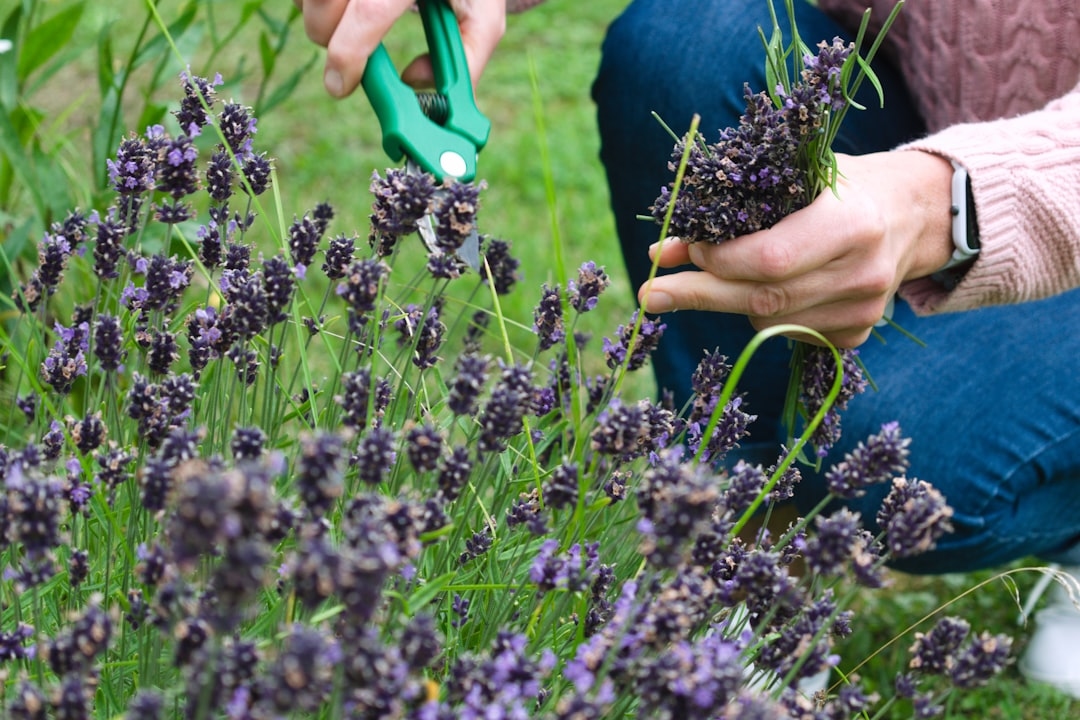
- Lavender: Fragrant, Resilient, Deer-Proof
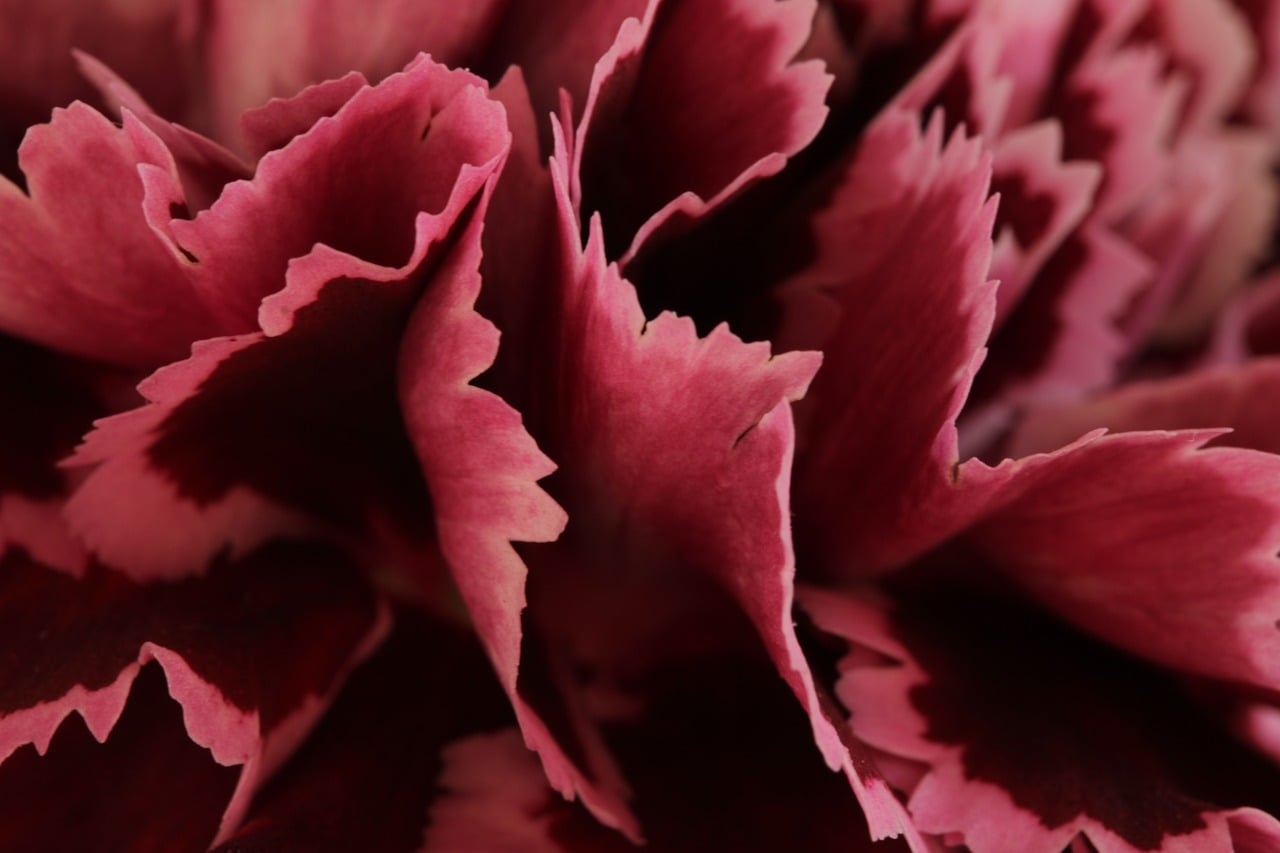
- Strawflower and Dianthus: Long-Lasting Surprises
- Comparison Table: Low-Maintenance Cutting Garden Favorites
- Tips for Creating Your Own Low-Maintenance Cutting Garden
- Site and Soil: Keep It Simple
- Watering: Less Is More
- Harvesting for Vase Life
- Integrating Annuals and Perennials
- Pull-Quote
- Sourcing Plants and Seeds in the US (2026 Update)
- FAQ: Low-Maintenance Cutting Garden Plants
- What are the easiest flowers to grow for cutting?
- How much sun do cutting garden plants need?
- Do low-maintenance flowers need fertilizer?
- Can I grow a low-maintenance cutting garden in containers?
- How long do cut flowers from low-maintenance plants last in a vase?
- Start Small–and Keep Snipping
Low-Maintenance Cutting Garden Plants: Grow Beautiful Bouquets With Minimal Effort
Imagine stepping outside with a coffee mug and a pair of snips, returning ten minutes later with an armload of fresh flowers–zinnias bold as crayons, spikes of lavender, glossy cosmos in delicate pinks and whites. Not a fantasy, not a full-time gardener’s privilege, but a real option for the rest of us, even if we sometimes forget to water. Low-maintenance cutting garden plants set you up for homegrown bouquets all season long, without high drama or endless fuss.
Quick Answer: Best Low-Maintenance Cutting Garden Plants
Looking for flowers you can grow, snip, and enjoy indoors with minimal work? The top low-maintenance cutting garden plants for US climates in 2026 are:
- Zinnias: Thrives in sun, tolerates missed waterings, huge color range.
- Cosmos: Blooms from early summer to frost, airy stems, reseeds easily.
- Rudbeckia (Black-eyed Susan): Classic golden-yellow blooms, drought-hardy.
- Sunflowers: Tall, dramatic, pollinator magnets, many pollen-free options.
- Sedum (‘Autumn Joy’): Succulent leaves, late-season interest, lasts long in a vase.
- Lavender: Fragrant stems, deer-resistant, hardy to zone 5.
- Strawflower (Xerochrysum): Papery petals, excellent dried, needs little water.
- Dianthus (‘Sweet William’): Spicy scent, repeat bloomer, easy to grow from seed.
These varieties need little pampering–just decent soil and at least 6 hours of sun. Snipping flowers often makes them produce even more.
Why Low-Maintenance Flowers Belong in Your Cutting Garden
Soggy wilted hydrangeas, black-spotted roses, and flop-prone peonies make headlines in flower arranging magazines–but behind the scenes, seasoned florists often rely on less finicky stems. Kristen Munroe, owner of Boston-based Petal & Pine Floral, puts it bluntly:
“If you want a garden that looks good and fills vases, focus on what thrives with neglect. Half my best arrangements come from forgiving standbys like zinnia and sedum.”
Here’s what makes a truly low-maintenance cutting garden star:
- Drought-tolerance: No brown crispiness if you forget the hose.
- Long bloom season: More weeks of color, less waiting.
- Fast growth from seed: Lower cost than nursery starts.
- Resistant to pests or diseases: Little need for sprays.
- Long vase life: Stems that last a week or more indoors.
These traits mean more flowers, less guilt, and more time actually enjoying your garden, not just working in it.
Standout Picks: Details and Tips for Each Plant
Zinnias: Absolute No-Fuss Color
Zinnias have been the most reliable cutting flower for U.S. home gardeners since Burpee began selling seed in the 1920s. Modern cultivars like ‘Benary’s Giant’ and ‘Queen Red Lime’ produce dozens of vibrant blooms per plant, from June to frost.
- Direct sow after last frost; full sun is best.
- Spacing (~12”): Prevents powdery mildew, a minor issue.
- Harvest: Cut early in the day, when flowers feel stiff to the touch.
- Vase life: 7-10 days with clean water.
In 2026, USDA data estimates over 25 million zinnia seed packets sold annually–proof of their appeal.
Cosmos: The Self-Seeding Workhorse
Cosmos tolerate heat, poor soil, and missed waterings better than most annuals. Varieties like ‘Sensation Mix’ or ‘Double Click’ offer clouds of feathery foliage and pastel flowers.
- Direct sow; thin to 9″ apart.
- Cut often to keep plants producing.
- Reseeds freely–expect volunteers next spring.
- Vase life: 5-7 days; harvest just as buds open.
Karen Li, horticulturist at Denver Botanic Gardens, recommends pinching back young plants for bushier growth.
Rudbeckia (Black-eyed Susan): Hardy and Everlasting
Native to much of North America, rudbeckias are tough enough for parking strip gardens or roadside plantings. The golden, daisy-like flowers appear in midsummer and keep coming.
- Perennial in zones 4-9; most varieties survive winters to -20°F.
- Deer-resistant and pollinator-friendly.
- Vase life: 7-10 days, especially if you sear stem ends in boiling water for 10 seconds.
Sunflowers: Drama Without Demands
Sunflowers, especially pollen-free hybrids like ‘ProCut Orange’ or ‘Sunrich Lemon’, rise to 6 feet or more and produce showy heads for bouquets and pollinators alike.
- Direct sow in full sun, post-frost.
- Space widely (12-18”) to avoid mildew.
- Many modern varieties bloom in just 60-70 days.
Shorter “bouquet” sunflowers like ‘Sunfinity’ are perfect for small gardens or containers.
Sedum (‘Autumn Joy’): Succulent Beauty That Lasts
Sedum, technically a “succulent perennial,” starts the season as tidy green clumps before sending up broccoli-like flower heads that turn rosy pink then deep copper by fall.
- Zones 3-9; nearly indestructible once established.
- Drought-tolerant, needs almost no care.
- Vase life: Up to 2 weeks.
Cut in any stage–buds, full bloom or dry for autumn arrangements.
Lavender: Fragrant, Resilient, Deer-Proof
Lavender (especially ‘Hidcote’ or ‘Phenomenal’ varieties) is prized for scent and longevity. It thrives on heat and neglect.
- Zones 5-9, prefers full sun and sandy soil.
- Harvest stems when about half the buds are open.
- Hang-dry for year-round bouquets or sachets.
Lavender offers a bonus in the American South and West: it shrugs off deer and most pests, according to Texas A&M’s 2026 horticulture trials.
Strawflower and Dianthus: Long-Lasting Surprises
Strawflower (Xerochrysum bracteatum) is almost too easy. The stiff, papery blooms last nearly forever, fresh or dried.
- Annual; direct sow or transplant.
- Needs little water; dislikes soggy soil.
- Vase life: 10+ days fresh, months dried.
Dianthus (‘Sweet William’) brings a spicy scent and a compact growth habit–ideal for front borders or small spaces. These blooms are a favorite among U.S. florists for early summer cutting.
Comparison Table: Low-Maintenance Cutting Garden Favorites
| Plant | Zones | Sun Needs | Bloom Time | Vase Life (days) | Drought Tolerant? | Deer Resistant? |
|---|---|---|---|---|---|---|
| Zinnia | 2-11 | Full sun | Summer-Frost | 7-10 | Yes | Somewhat |
| Cosmos | 2-11 | Full sun | Summer-Frost | 5-7 | Yes | Yes |
| Rudbeckia | 4-9 | Sun/partial | Midsummer-Fall | 7-10 | Yes | Yes |
| Sunflower | 2-11 | Full sun | Summer-Fall | 6-10 | Yes | No |
| Sedum | 3-9 | Sun/part sun | Late Summer-Fall | 10-14 | Yes | Yes |
| Lavender | 5-9 | Full sun | Summer | 7-10 (fresh) | Yes | Yes |
| Strawflower | 3-10 | Full sun | Summer-Frost | 10+ | Yes | Yes |
| Dianthus | 3-9 | Sun/part sun | Spring-Summer | 5-7 | Somewhat | Yes |
Tips for Creating Your Own Low-Maintenance Cutting Garden
Site and Soil: Keep It Simple
Most of these plants thrive in standard garden soil–no need for expensive amendments or constant fertilizing. Prioritize:
- 6+ hours of sunlight (morning sun preferred in southern states)
- Raised beds or well-drained locations: Reduce root rot
- Mulch: Keeps weeds down and conserves water
Watering: Less Is More
Once established, many of these plants only need water during severe drought. In most US climates, one inch of water per week is enough (source: University of Minnesota Extension, 2026).
Harvesting for Vase Life
- Morning is best: Stems are crisp and hydrated.
- Sharp snips: Prevent stem damage.
- Remove lower leaves: Avoids rot in water.
- Change water every 2-3 days: Prolongs freshness.
Integrating Annuals and Perennials
- Annuals: Zinnias, cosmos, sunflowers, strawflower; sow new each spring for color variety.
- Perennials: Rudbeckia, sedum, lavender, dianthus; return reliably for years.
Mixing both ensures continuous color and structure in your garden–and in your vases.
Pull-Quote
“Low-maintenance cutting gardens aren’t just about less work. They’re about more joy per square foot.”
– Kristen Munroe, Petal & Pine Floral
Sourcing Plants and Seeds in the US (2026 Update)
For affordable, proven performers, shop reputable US-based suppliers. As of 2026, these are top-rated by gardeners and small-scale florists:
- Johnny’s Selected Seeds: Comprehensive selection, excellent germination rates.
- Baker Creek Heirloom Seeds: Unusual colors and rare varieties.
- American Meadows: Good for perennials and wildflowers.
- Park Seed: Well-priced annuals and starter plants.
- Local nurseries: Especially for established perennials like lavender and sedum.
A full 82% of US gardeners now buy at least some cutting garden seeds online, according to the National Garden Survey (2026).
FAQ: Low-Maintenance Cutting Garden Plants
What are the easiest flowers to grow for cutting?
Zinnias, cosmos, and sunflowers are widely considered the easiest flowers to grow for cutting in the US. They tolerate a range of conditions, grow quickly from seed, and bloom all season with minimal care.
How much sun do cutting garden plants need?
Most cutting garden plants need at least 6 hours of direct sunlight per day. Full sun ensures strong, straight stems and abundant blooms.
Do low-maintenance flowers need fertilizer?
Generally, these flowers perform well in average garden soil. A single spring dose of balanced (10-10-10) fertilizer is sufficient for annuals; over-fertilizing can reduce flower production.
Can I grow a low-maintenance cutting garden in containers?
Yes. Varieties like zinnia, cosmos, strawflower, and dwarf sunflowers thrive in pots at least 12 inches deep. Use a well-draining potting mix and water regularly, as containers dry out faster.
How long do cut flowers from low-maintenance plants last in a vase?
Many last 7-10 days, especially zinnias, rudbeckia, and sedum. Harvest early in the day, strip lower leaves, and change the vase water frequently for the longest vase life.
Start Small–and Keep Snipping
Plant a handful of packets this spring, and by midsummer, your kitchen table can hold more color, fragrance, and joy than any store-bought bouquet. Low-maintenance cutting garden plants don’t just minimize chores–they multiply possibilities. Next step: pick your favorites, order some seeds, and mark the last frost date on your calendar. The best bouquets of 2026 are about to start growing right outside your window.