Contents:
- The Quick Answer: Why Have Flowers Been Used As Protest Symbols?
- A Brief History: Flowers in Activism Across the Ages
- Iconic Moments in Flower Protest
- How Protesters Use Flowers: From Garlands to Guerrilla Art
- Visual Impact
- Covert Messaging
- Accessibility and Affordability
- Non-threatening Yet Disruptive
- Flower Meanings: How Petals Speak Volumes
- The Language of Protest Flowers
- Local Symbolism Matters
- Not All Blooms Are Welcome: The Politics of Flower Symbolism
- Culture Clashes and Appropriation
- When Flowers Backfire
- Today’s Protests: Floristry Meets Social Media
- US Flower-Delivery Services and Protest
- How to Use Flowers as Protest Symbols in 2026
- FAQs
- H3: How did “flower power” start?
- H3: Which flowers are most associated with protests in America?
- H3: Are there ethical concerns with using flowers in protests?
- H3: Can florists refuse to sell flowers for protests?
- H3: How do I organize a “flower drop” protest?
How Flowers Have Been Used as Protest Symbols
The black-and-white photo: a young woman, face calm, arm extended, pressing a daisy into the barrel of a soldier’s rifle. If you’ve seen it, you remember it. Throughout modern history, flowers have been wielded not just as tokens of love or condolence, but as vivid protest symbols–soft petals turned into weapons of hope, satire, and sometimes, outright resistance. From suffragettes in the U.S. to climate marches echoing through the streets of New York in 2026, blooms keep showing up where voices demand to be heard.
The Quick Answer: Why Have Flowers Been Used As Protest Symbols?
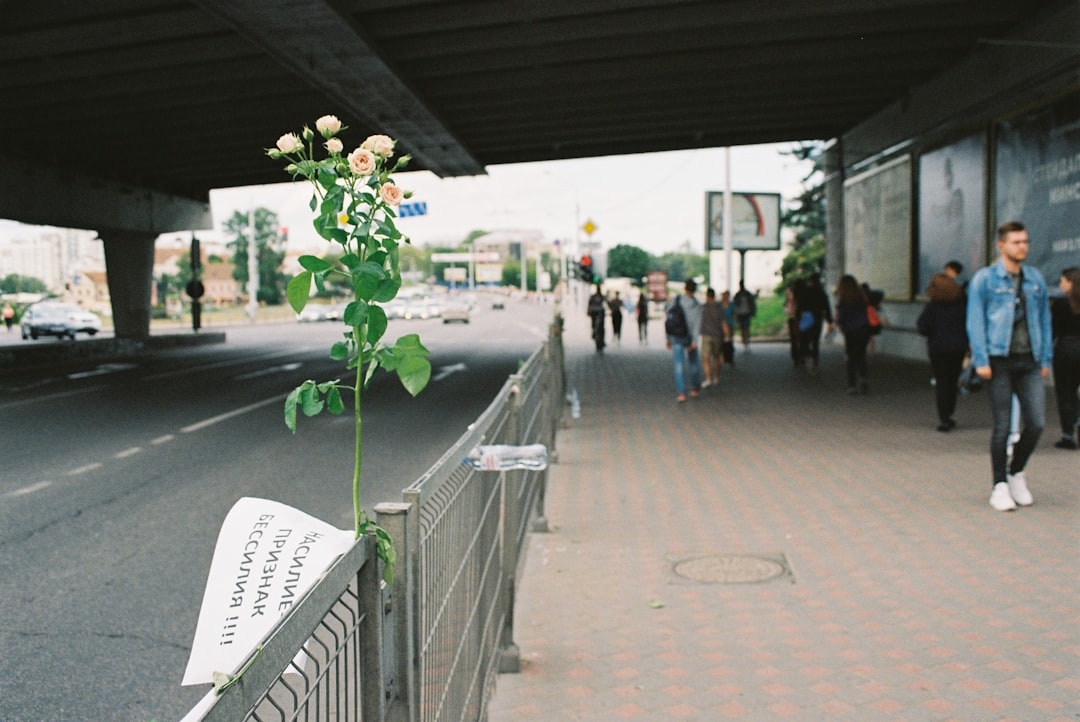
Flowers stand out as protest symbols because they’re universally recognized, visually arresting, and loaded with meaning. They convey peace, hope, or sometimes challenge and defiance–without saying a word. By repurposing objects of beauty in the face of conflict or injustice, protestors create a powerful contrast that draws attention, evokes emotion, and often goes viral (photojournalist Bernie Boston’s 1967 “Flower Power” photo is a classic example). Flowers are easy to distribute, affordable (a bunch of carnations from Trader Joe’s costs under $10 in 2026), and impossible to ignore.
A Brief History: Flowers in Activism Across the Ages
During the American suffrage movement, purple violets pinned to sashes signaled support for women’s right to vote. Fast-forward: In the 1960s, anti-Vietnam War demonstrators, dubbed “flower children,” handed out daisies and wore floral wreaths. Ukrainian protesters, standing shoulder-to-shoulder during the 2014 Euromaidan, brandished sunflowers–a national symbol now intertwined with democratic aspirations. These acts weren’t random. They were carefully chosen for their emotional and political punch.
Iconic Moments in Flower Protest
- 1967, Washington, D.C.: Protesters placed carnations and daisies in the muzzles of National Guard rifles.
- Hong Kong, 2019: White flowers became makeshift memorials for protest martyrs.
- Ukraine, 2022-2026: Sunflowers (the national flower) are waved at rallies, sold in bouquets to raise funds for resistance, and worn on lapels worldwide in solidarity.
“A single blossom can be as loud as a thousand voices when placed in the right hands,” says Dr. Eloise Kim, floriculture historian and author of Petals & Protest: The Language of Flowers in Social Change (New York University Press, 2024).
How Protesters Use Flowers: From Garlands to Guerrilla Art
Flowers aren’t just held–they’re woven, scattered, brandished, and grown. Here’s what makes them so effective in demonstrations across the US:
Visual Impact
A flash of sunflowers on a gray day. Crowds garlanded in marigolds. A wall suddenly bright with paper poppies. Unlike banners, which can be confiscated or destroyed, flowers are ephemeral, hard to control, and symbolically charged.
Case Study:
At the 2025 New York City Climate March, volunteers with GreenThumbNYC grew 2,000 marigold plants to hand out. Organizers claim the resulting sea of orange not only drew news crews but tripled their social media reach versus the previous year.
Covert Messaging
Florists and activists sometimes code their bouquets to communicate intent or affiliation:
| Flower | Protest Use / Meaning | Notable Movements |
|---|---|---|
| Carnation | Revolution, unity | Portugal’s Carnation Revolution |
| Violet | Suffrage support | US, UK suffragettes |
| Sunflower | Resistance, national pride | Ukraine, US anti-nuclear rallies |
| Marigold | Climate action, remembrance | US climate marches, vigils |
Accessibility and Affordability
At $4-$15 per bunch in 2026 from US grocery chains like Trader Joe’s and Whole Foods, flowers are among the most accessible protest props. Chicago-based activist and florist Jaime Rivera (owner, Mariposa Blooms) points out: “Anyone can pick up a dozen flowers, hand them out at a vigil, or lay them at a courthouse. No permits, no special tools–just intention.”
Non-threatening Yet Disruptive
A flower softens the mood, making it harder for authorities to vilify protestors. But that’s not the whole story–flowers can also disrupt. Imagine a flash mob scattering rose petals across Wall Street’s steps, or poppies suddenly blooming in an abandoned Detroit lot overnight.
Flower Meanings: How Petals Speak Volumes
Florists will tell you that every flower has its language. Protesters haven’t overlooked this. Here’s a look at classic blooms and the nuanced messages they carry into the streets.
The Language of Protest Flowers
- Carnation: White for peace, red for revolution.
- Daisy: Innocence or optimism.
- Violet: Loyalty, faithfulness (perfect for suffrage).
- Sunflower: Hope, light, and–since 2022–solidarity with Ukraine.
- Marigold: Endurance, resilience; often used in climate and immigrant justice marches.
Local Symbolism Matters
Context transforms meaning. In the US, poppies are linked to veterans and remembrance, especially around Memorial Day. But in 2026, you might see them at gun control protests, too, their blood-red faces a silent plea for action.
Not All Blooms Are Welcome: The Politics of Flower Symbolism
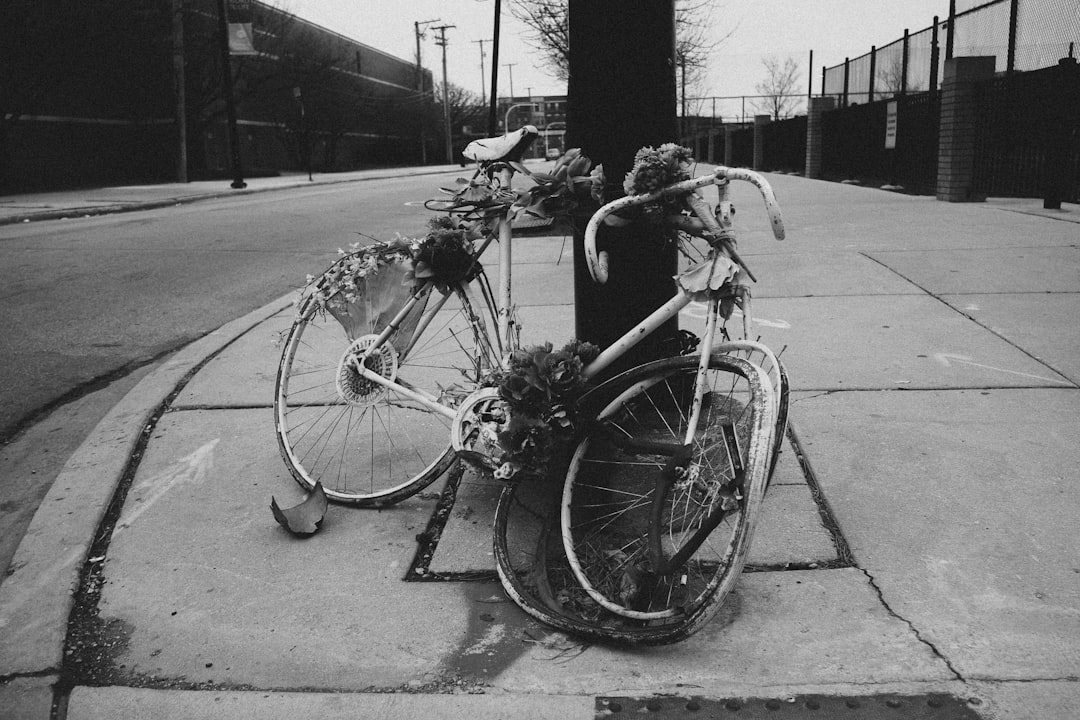
Handing out daisies isn’t always innocent. Sometimes, floral symbolism sparks controversy or backlash.
Culture Clashes and Appropriation
- In some cultures, certain flowers are reserved for mourning; using them elsewhere can offend.
- Commercializing protest flowers (think: $25 “resistance bouquets” marketed online) raises questions about commodifying activism.
When Flowers Backfire
After the 2023 March for Our Lives in Washington, D.C., organizers faced heat when white lilies (often seen at funerals) upset community members who saw the gesture as misjudged.
Today’s Protests: Floristry Meets Social Media
Snap a picture of a sunflower-carrying crowd, and it’s instantly Instagrammable. The visual nature of floristry pairs perfectly with digital activism.
- Twitter accounts like @PetalsforChange (50k+ followers in 2026) coordinate “flower drops” at key events, challenging followers to post their own petal-powered images.
- Groups like Bloom Again LA partner with local florists to donate unsold bouquets for remembrance vigils, combining sustainability with protest.
US Flower-Delivery Services and Protest
Major US delivery services–like 1-800-Flowers and UrbanStems–now offer themed bouquets for “solidarity funding.” In 2025-2026, UrbanStems reported a 14% rise in orders tagged to social justice causes. Proceeds sometimes fund grassroots orgs, though not all customers realize where the money goes.
How to Use Flowers as Protest Symbols in 2026
Protesting with flowers is simple, but a little intention goes a long way. Here’s a quick guide for US activists and supporters:
- Pick the Right Flower: Match the meaning to the message. Carnations for unity, sunflowers for resistance, marigolds for remembrance.
- Source Ethically: Prioritize local or sustainably grown blooms (USDA-certified if available).
- Personalize: Add a ribbon, hand-written card, or pin for context.
- Share the Story: Post photos with context; hashtags like #FlowerProtest, #PetalsForJustice make images discoverable.
- Team Up: Collaborate with local florists or flower clubs (like the American Florist Association).
FAQs
H3: How did “flower power” start?
The term “flower power” originated in the late 1960s as young anti-Vietnam War protesters in the US used flowers to symbolize peace and passive resistance. Allen Ginsberg coined the phrase, and notably in 1967’s Washington, D.C., protest, demonstrators placed flowers in rifle barrels, which became a powerful anti-war image.
H3: Which flowers are most associated with protests in America?
The daisy, carnation, violet, and sunflower are most frequently seen in American protests. Each carries specific meanings–daisy for innocence and hope, carnation for revolution and unity, violet for the suffragette movement, and sunflower for solidarity, especially related to Ukraine.
H3: Are there ethical concerns with using flowers in protests?
Yes. Ethical floral activism involves sourcing flowers sustainably, avoiding species linked to exploitation, and respecting local symbolism (for example, not using funeral flowers in celebratory protests). Activists are increasingly partnering with local growers and reusing blooms to minimize environmental impact.
H3: Can florists refuse to sell flowers for protests?
Legally, US florists can sometimes refuse sales based on their business policies, though most large chains will not. However, community-based florists are generally supportive, and specialty protests often work directly with those amenable to their cause.
H3: How do I organize a “flower drop” protest?
To organize a flower drop: pick a meaningful location, gather a group with clear messaging, source flowers in advance (local florists, supermarket bulk buys), and coordinate a silent or symbolic display. Always check local regulations to avoid fines for littering or trespassing.
Want to make your own statement? Try gifting protest bouquets at your next march, team up with a local flower club, or organize a pop-up “petal protest” in your city. With petals in hand, even the quietest voice can help rewrite the story.