Contents:
- What is Edible Flower Farming? (Featured Snippet)
- Why Edible Flowers? Market Demand in 2026
- Choosing the Right Edible Flower Varieties
- Popular Edible Flower Crops (With Tasting Notes)
- Tips from the Field
- Growing Edible Flowers: From Seed to Sale
- Site Selection & Soil Prep
- Planting & Rotation
- Organic Pest & Disease Management
- Irrigation and Harvesting
- Food Safety and Compliance: What Every US Grower Must Know
- Marketing and Selling Edible Flowers in the US
- Packaging: Beauty Meets Safety
- Where and How to Sell
- Pricing Examples (2026)
- Telling Your Story
- Common Mistakes and How to Avoid Them
- FAQ: Edible Flower Farming in the US
- What flowers are safe to eat in the US?
- Is it legal to sell edible flowers at US farmers’ markets?
- How profitable is edible flower farming?
- How long do edible flowers last after harvest?
- Can I grow edible flowers organically?
- Ready to Start (or Scale Up) Your Edible Flower Farm?
Complete Guide to Edible Flower Farming
On a May morning in Sonoma County, a single blue borage blossom sits atop a lemon tart at a Michelin-starred restaurant. Behind that visual delight is an entire ecosystem buzzing with opportunity–and risk. Edible flower farming isn’t just about pretty petals; it’s a meticulous dance between agriculture, culinary trends, and food safety law.
What is Edible Flower Farming? (Featured Snippet)
Edible flower farming involves cultivating flowers that are safe for human consumption and harvested specifically for culinary, beverage, and garnish uses. Farmers must select varieties free of harmful chemicals, ensure strict traceability, and comply with FDA food safety guidelines. Common crops include nasturtiums, violas, calendulas, borage, and marigolds. The process requires careful seed selection, organic practices, regular testing for contaminants, and direct sales to chefs, food crafters, and specialty retailers.
Why Edible Flowers? Market Demand in 2026
The edible flower market in the US is forecasted to surpass $48 million in 2026, according to GreenGourmet Data Solutions. That’s not just a blip on a trend chart. What’s driving the growth? Foodies want aesthetics and flavor. Farm-to-table chefs seek out local, specialty garnishes. Beverage brands commission hibiscus and lavender for limited-batch sodas and gins. Even home cooks now shop for edible petals on Etsy and Weir’s Flower Farm online.
“Requests for edible violas and gem marigolds have tripled since 2022,” says Maribel Tran, owner of Petal & Plow, a boutique flower farm in North Carolina. “Chefs want fresh, local, and traceable–not bulk imports.”
Top buyers of edible flowers in the US:
- Fine dining restaurants
- Cocktail bars and distilleries
- Farmers’ markets and CSA programs
- Artisan food producers (ice cream, syrups, jams)
- Home gourmet subscription boxes
“Edible flowers are no longer just boutique. They’re part of the everyday American palate–often before people realize it,”
– Laura Kim, Culinary Botanist, MN Certified Horticulturist
Choosing the Right Edible Flower Varieties
Not all beautiful blooms belong on a plate. The right varieties are palatable, safe, and have visual impact. US regulations prohibit sales of certain flowers for food use due to toxicity (e.g., foxglove, oleander, and most lilies).
Popular Edible Flower Crops (With Tasting Notes)
| Flower Name | Flavor Profile | Color Range | Common Uses |
|---|---|---|---|
| Nasturtium | Peppery, watercress | Bright orange, red | Salads, canapés, vinaigrettes |
| Viola/Pansy | Mild, grassy | Violet, yellow, blue | Cake decoration, cocktails, salads |
| Borage | Cucumber-like | Sky blue | Iced drinks, desserts |
| Calendula | Tangy, saffron | Gold, orange | Rice, soups, butters |
| Marigold | Citrus, spicy | Yellow, orange | Garnishes, syrups |
| Lavender | Floral, herbal | Purple | Baked goods, infusions, ice creams |
| Rose | Sweet, aromatic | Red, pink, white | Syrups, desserts, Turkish delight |
| Chive Blossom | Onion, savory | Purple-pink | Salads, compound butters |
| Hibiscus | Tart, cranberry | Deep red | Teas, jams, cocktails |
Tips from the Field
- Prioritize organic, non-GMO seed sources: Johnny’s Selected Seeds, Baker Creek Heirloom Seeds, and Botanical Interests are reputable for food-use flowers.
- Consistency matters. Chefs and beverage manufacturers prefer uniform size, vibrant color, and minimal blemishes.
- Trial new varieties each season, but always label and separate unknown species to avoid accidental harvest of toxic blooms.
Growing Edible Flowers: From Seed to Sale
Site Selection & Soil Prep
Edible flowers thrive in well-draining, organically rich soil. Raised beds and high tunnels are common–especially in regions with wet springs or hot summers.
- pH target: 6.0-7.0 for most edible flowers
- Sunlight: At least 6 hours of direct sun daily
- Soil amendment: Add composted manure or organic mushroom compost at planting time
Planting & Rotation
Sow most annual edible flower seeds after the last frost. Interplanting with vegetables (companion planting) helps deter pests; marigolds, for example, repel nematodes and aphids. Rotate locations annually to prevent disease build-up.
Organic Pest & Disease Management
- Avoid all synthetic pesticides, fungicides, and herbicides.
- Use floating row covers for aphid-prone crops.
- Neem oil and insecticidal soap sprays (OMRI-listed) are approved for organic growing, but always check the latest USDA NOP guidelines for food crops.
- Regularly monitor for powdery mildew, especially on violas and calendulas. Remove infected leaves promptly.
Irrigation and Harvesting
- Drip irrigation conserves water and prevents splash-borne soil diseases.
- Harvest early morning for peak turgidity and aroma.
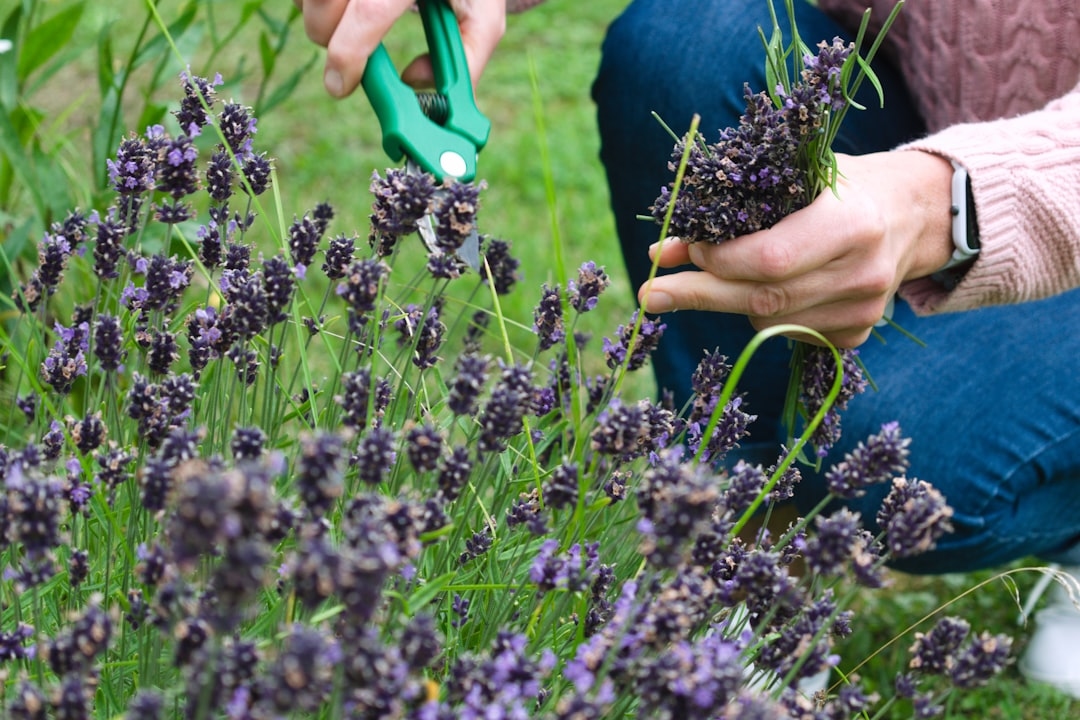
- Use clean, dedicated harvesting shears sanitized before each use. Food safety protocols are non-negotiable.
Post-Harvest Handling
- Chill flowers immediately to 34-38°F.
- Store in food-grade clamshells or on damp paper towels in sealed containers.
- Shelf life varies: violas last up to 7 days, borage just 2-3 days.
Food Safety and Compliance: What Every US Grower Must Know
Edible flowers are regulated as food, not just produce. This means FDA, USDA, and state health department rules apply. Violations can result in heavy fines or business shutdowns.
Critical food safety steps:
- Traceability: Record all seed batches, field locations, and harvest dates.
- No chemical residues: Only use products approved for edible crops.
- Worker hygiene: Implement handwashing, glove use, and tool sanitizing policies.
- Labeling: Everything sold as “edible” must be grown, handled, and packed separately from non-edible or decorative varieties.
“A recall of 3,500 clamshells in 2024 cost my farm more than $40,000 in lost revenue, not counting reputation,”
– Andre Brown, Owner, BloomEdibles, California
Some states require food-handler permits for staff. If you sell to restaurants or commercial food producers, you may need to register as a food facility.
Marketing and Selling Edible Flowers in the US
Packaging: Beauty Meets Safety
- Use clear, vented PET or PLA clamshells (brands: Inline Plastics, Sabert).
- Add labels with botanical and common names, best-by date, and farm contact info.
- For bulk orders (e.g., 500+ blooms/week for restaurant chains), invest in temperature-log data loggers for traceability.
Where and How to Sell
- Direct to chefs: Arrange weekly deliveries or on-demand harvest-to-door drops.
- Farmers’ Markets: Offer small mixed-petal boxes ($6-$10 each).
- Online platforms: Etsy, Shopify storefront, and specialized farm-to-chef directories like MarketWagon.com.
- Collaborate: Partner with local creameries, kombucha brewers, or bakeries for cross-promotions.
Pricing Examples (2026)
| Packaging Size | Typical Wholesale Price | Retail Price (Direct) |
|---|---|---|
| 15-bloom clamshell | $4.25 – $6.00 | $7.50 – $10.00 |
| 100-gram bulk bag | $18 – $24 | $28 – $36 |
| Specialty mix (by color/theme) | $8 – $12 (wholesale) | $14 – $18 (retail) |
Telling Your Story
Customers want to know where their flowers come from. Include a photo postcard or QR code linking to a short video “tour” of your farm. Transparency and local pride sell.
Common Mistakes and How to Avoid Them
- Growing Non-Edible (or Toxic) Varieties: Double-check seed sources. Don’t trust generic “wildflower” mixes.
- Mixing Edible and Decorative Blooms: Cross-contamination is a recall risk.
- Overwatering: Leads to mildew and short shelf life–especially in humid states like Florida.
- Skipping Lab Tests: Random sample your product for chemical residues at least twice a year.
- Undervaluing Your Product: Premium flowers justify premium prices. Don’t race to the bottom.
FAQ: Edible Flower Farming in the US
What flowers are safe to eat in the US?
Safe edible flowers include nasturtiums, pansies (violas), calendula, borage, marigolds, roses (unsprayed), lavender, chive blossoms, and hibiscus. Always use flowers grown specifically for culinary use and free from pesticide residues.
Is it legal to sell edible flowers at US farmers’ markets?
Yes, but growers must comply with local and state food safety laws, which may include labeling, handling, and specific vendor permits. Contact your county extension office or state agriculture department to confirm requirements for your location.
How profitable is edible flower farming?
Profit depends on scale, crop variety, and market access. Small US farms can gross $5,000-$30,000 per acre from edible flowers annually, according to the 2025 USDA Specialty Crop Report. Direct sales to chefs and specialty retailers yield the highest margins.
How long do edible flowers last after harvest?
Most edible flowers stay fresh for 2-7 days if stored at 34-38°F in a sealed, food-grade container. Shelf life varies by type; violas and calendula last longer than borage or nasturtium.
Can I grow edible flowers organically?
Yes. In fact, organic methods are preferred for food safety and marketability. Use OMRI-listed pest controls, certified organic seeds, and document all fertilizer and amendment use for compliance.
Ready to Start (or Scale Up) Your Edible Flower Farm?
Success in edible flower farming demands more than love of color and flavor. It’s about precision, compliance, and a bit of maverick flair. Start by trialing a few varieties, connecting with a chef, or running a floral CSA test box. The American edible flower market is still blossoming–there’s room for growers who combine care, creativity, and hustle. Try sowing your first seeds this spring, and you’ll have petals (and profits) by summer’s peak.