Contents:
- Quick Answer: How Many Chrysanthemum Varieties Are There?
- The Botanical Backstory: Where Did All These Varieties Come From?
- Classifying Chrysanthemums: Not All Mums Are Created Equal
- The 13 Official Chrysanthemum Classes
- Chrysanthemums in the US Market
- Notable Cultivars: US Favorites and Global Rarities
- Top-Selling Chrysanthemum Varieties in the US (2026)
- Why So Many Varieties? The Science of Chrysanthemum Breeding
- The Role of Hybridizers
- How Are New Varieties Named and Registered?
- Sourcing Chrysanthemum Varieties in the US
- Where to Find Specialty Mums
- Price Snapshot (2026)
- The Cultural Appeal: Chrysanthemums Beyond the Flower Shop
- Frequently Asked Questions
- How many chrysanthemum varieties exist in the US?
- Which chrysanthemum type is most popular in American florists?
- Are all chrysanthemums safe for pets?
- How do you identify a chrysanthemum variety?
- Are there blue chrysanthemums?
How Many Varieties of Chrysanthemums Actually Exist?
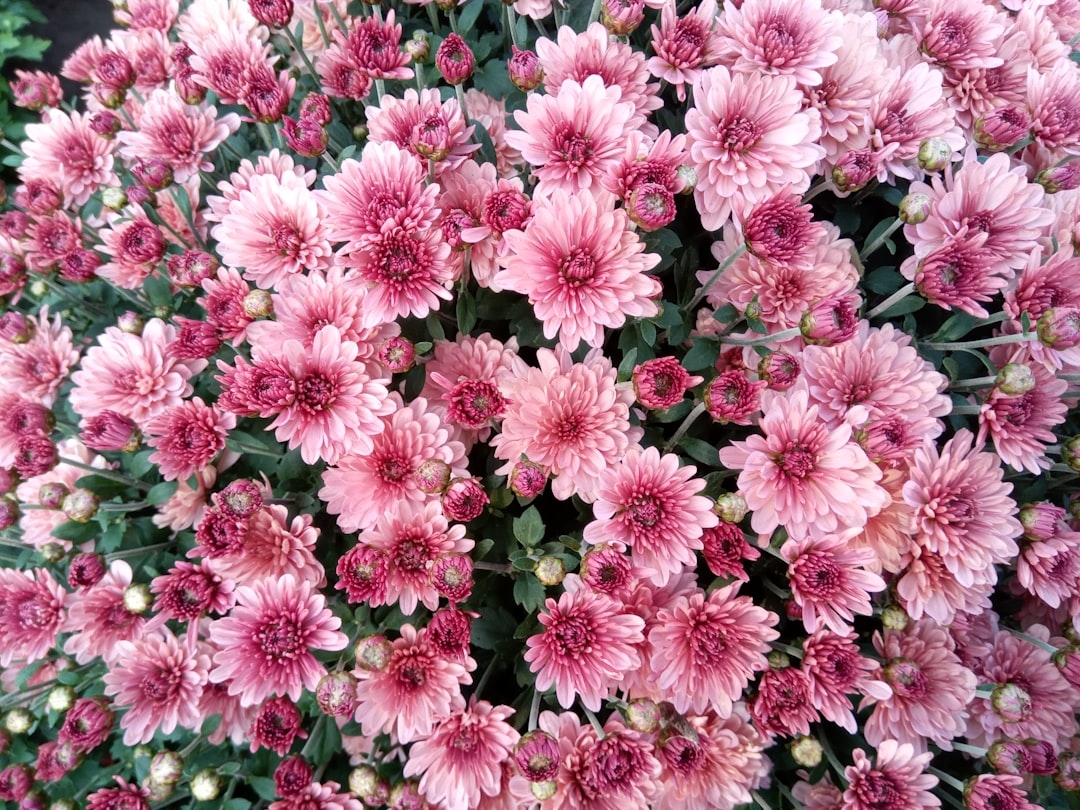
Walk into a flower shop in October, and you’ll notice a riot of color–burnt oranges, buttery yellows, deep fuchsias, and crisp whites. Nearly all of them are chrysanthemums, affectionately called “mums,” and in the US, they’re as much a symbol of autumn as pumpkin spice. But did you know that globally, there are thousands of different chrysanthemum varieties, from delicate single blooms to wildly ruffled “spider” types? Chrysanthemums aren’t just the most popular fall flower in America–they’re one of the most diverse genera in the floral world.
Quick Answer: How Many Chrysanthemum Varieties Are There?
All together, there are over 40 wild species and more than 20,000 named chrysanthemum cultivars recognized worldwide. The actual number fluctuates as breeders introduce innovative hybrids every year. In the United States floral market, about 200-300 distinct chrysanthemum varieties are widely available for commercial sale–though specialty growers and collectors work with hundreds more.
Chrysanthemums are one of the most genetically diverse flower genera, with new varieties introduced annually by breeders in the US, Japan, and Europe.
The Botanical Backstory: Where Did All These Varieties Come From?
Chrysanthemums trace their roots to China, where they were cultivated as far back as the 15th century BCE. What began as a humble herb for medicinal purposes evolved into an object of obsessive horticultural fascination.
Species versus Cultivars
- Species: Botanists recognize 40-50 wild chrysanthemum species, such as Chrysanthemum indicum and Chrysanthemum morifolium.
- Cultivars (Cultivated Varieties): Horticultural societies–like the American Chrysanthemum Society and Royal Horticultural Society–track more than 20,000 unique cultivars, bred for color, size, bloom shape, and resilience.
According to Dr. Lisa Tran, a horticulturist at the University of Minnesota, “At any given time, more than 1,000 cultivars are actively grown for exhibition in the US, although only a fraction make it to general retail.”
Classifying Chrysanthemums: Not All Mums Are Created Equal
Chrysanthemum varieties are categorized by bloom form, a system standardized by the National Chrysanthemum Society USA. Here’s how florists and serious gardeners break down the types:
The 13 Official Chrysanthemum Classes
- Irregular Incurve (e.g., ‘King’s Pleasure’)
- Reflex
- Regular Incurve
- Decorative
- Intermediate Incurve
- Pompon
- Single and Semi-Double
- Anemone
- Spoon
- Quill
- Spider
- Brush or Thistle
- Unclassified/Exotic
Each group contains dozens–sometimes hundreds–of cultivars. For example, Spider mums alone include over 500 unique cultivars globally.
Chrysanthemums in the US Market
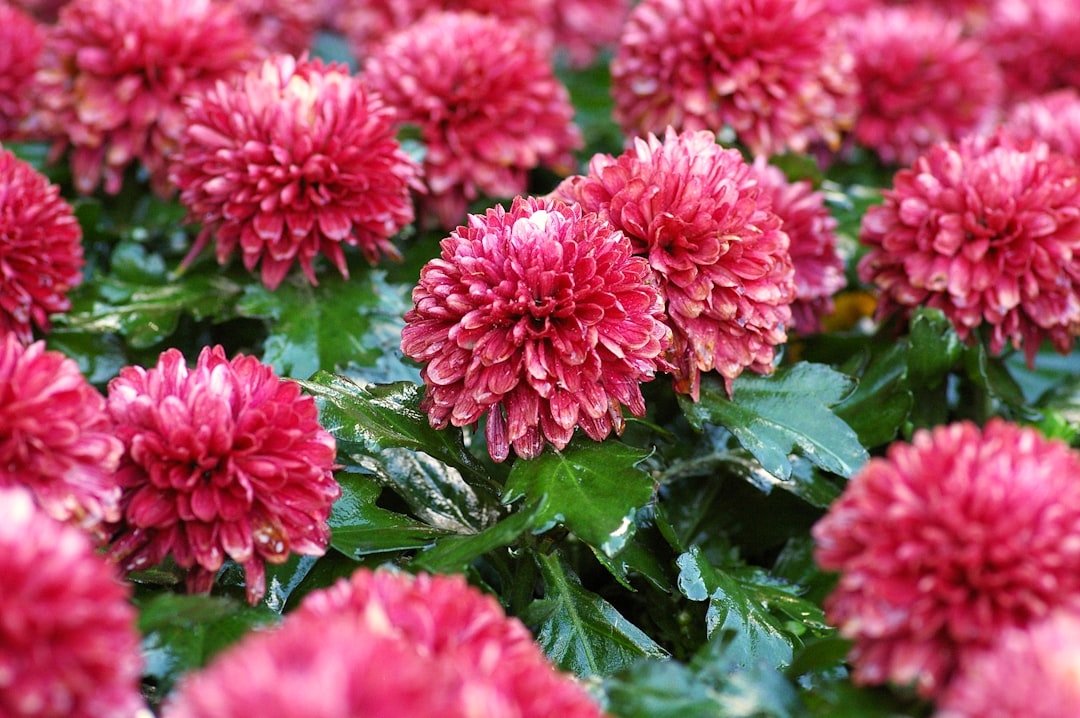
Most mums you’ll see at Whole Foods, Trader Joe’s, or from 1-800-Flowers are “Decorative” or “Garden” types, bred for compact shape and high petal count. Exhibition varieties–like the ornate Irregular Incurve–are prized by collectors and rarely sold in bulk.
| Class | Typical Use | Example Varieties | Average Price (2026, USD) |
|---|---|---|---|
| Decorative | Retail, events | ‘Coral Charm’, ‘Bravo’ | $7-10 per bouquet |
| Spider | Specialty, events | ‘Anastasia’, ‘Seaton’s Galaxy’ | $12-15 per stem |
| Pompon | Retail | ‘Moonbeam’, ‘Yoko Ono’ | $6-8 per bouquet |
| Single/Semi-Double | Bouquets | ‘Daisy Mum’, ‘Bolero’ | $8-12 per bouquet |
Notable Cultivars: US Favorites and Global Rarities
Ask any florist in New York or Los Angeles about their best-selling mums, and you’ll hear familiar names–’Viking’, ‘Daisy’, ‘Anastasia’–but there are thousands more, especially if you peek into garden clubs or online collector groups.
Top-Selling Chrysanthemum Varieties in the US (2026)
- ‘Daisy Mum’ (Semi-Double): Perky yellow, classic shape.
- ‘Anastasia’ (Spider): Dramatic, often white or green.
- ‘Yoko Ono’ (Pompon): Small, lime-colored, trendy in bouquets.
- ‘Bravo’ (Decorative): Deep orange, popular for autumn arrangements.
- ‘Froggy’ (Anemone): White petals with a greenish button center.
Rarity and Specialty Varieties
Some cultivars–like ‘Seaton’s Galaxy’ or ‘Saffina Yellow’–are grown only by advanced hobbyists or at botanical gardens. Meanwhile, Japan’s heritage “Kiku” varieties, with their intricate forms, have been bred for centuries but are seldom available outside of exhibitions.
Why So Many Varieties? The Science of Chrysanthemum Breeding
Chrysanthemums are genetic chameleons. Their DNA is famously variable, which makes them ideal for hybridization. US-based breeders–such as Syngenta Flowers and Ball Horticultural Company–release new colors, bicolor patterns, and improved disease resistance almost every year.
The Role of Hybridizers
Hybridizers select for:
- Bloom time (e.g., early vs. late fall)
- Frost hardiness (important for climates from Minnesota to Georgia)
- Unique petal shapes and color breakthroughs
- Pest and disease resistance
According to Thomas Rivera, head grower at Greenleaf Nursery (Oklahoma), “On average, each major breeder brings 2-5 new commercial chrysanthemum cultivars to US wholesalers annually. But thousands more are trialed or grown in smaller numbers.”
How Are New Varieties Named and Registered?
New chrysanthemum cultivars must go through a formal registration process with the International Chrysanthemum Register (maintained by the Royal Horticultural Society). This ensures names are unique worldwide. In the US, the National Chrysanthemum Society also maintains a cultivar registry.
“Naming a new chrysanthemum is like naming a star. It’s a chance to add something lasting to the floral universe.”
– Dr. Evelyn Mills, NCS President, 2026
This meticulous recordkeeping is why so many varieties–over 20,000–have distinct names and descriptions, even if only a fraction are common in florists’ coolers.
Sourcing Chrysanthemum Varieties in the US
Where to Find Specialty Mums
Mainstream retail offers about 200-300 chrysanthemum varieties, but the enthusiast market is much broader. Sources include:
- Specialty nurseries like King’s Mums (Oregon), Mums the Word (California), or Bluestone Perennials (Ohio).
- Collector and garden clubs (e.g., the American Chrysanthemum Society’s annual exchanges).
- Online marketplaces such as Etsy (for cuttings and rooted plants–when permitted by state law).
Price Snapshot (2026)
- Grocery store mixed bunch: $7-15
- Florist-grade exhibition stems: $10-18 each
- Collector’s rooted cutting: $5-30 per plant
Popularity peaks in September-November, but greenhouse-grown mums are available year-round.
The Cultural Appeal: Chrysanthemums Beyond the Flower Shop
In Japan, the Imperial family’s crest is a chrysanthemum, and each autumn, cities like Nihonmatsu host grand “Kiku” exhibitions. In the US, mums are a fixture at college homecomings, October weddings, and Thanksgiving tables.
Floristry trends in 2026 have pushed for more unique chrysanthemum shapes (especially Spider and Spoon types) and less reliance on basic “pot mums.” Luxury events increasingly source rare, ruffled cultivars for drama.
Frequently Asked Questions
How many chrysanthemum varieties exist in the US?
There are about 200-300 chrysanthemum varieties widely sold in the US, though collectors and specialty growers have access to hundreds more through garden clubs and online sources.
Which chrysanthemum type is most popular in American florists?
“Decorative” mums are the most common type sold by US florists and grocery stores. These are compact, full-bodied, and bred for longer vase life.
Are all chrysanthemums safe for pets?
No. All parts of the chrysanthemum plant are toxic to cats and dogs, according to the ASPCA. Ingestion can cause drooling, vomiting, or skin irritation.
How do you identify a chrysanthemum variety?
Chrysanthemum varieties are identified by their bloom shape, petal arrangement, and color, as well as their class (such as Decorative, Spider, or Pompon). Many come with labeled cultivar names when sold by nurseries.
Are there blue chrysanthemums?
Despite photos online, true blue chrysanthemums do not exist naturally or commercially as of 2026. Some cultivars are dyed, but breeders have yet to achieve a stable, true blue variety.
Chrysanthemums are endlessly adaptable, with over 20,000 named varieties and new ones debuting every year. Next time you’re choosing flowers for your porch or a Thanksgiving table, seek out a new-to-you chrysanthemum–ask your florist for something beyond the basics. You might discover a shape, color, or cultivar you’ve never seen before. And with the pace of breeding, chances are you’ll never run out of options. Happy mum hunting!