Contents:
- What Is the Largest Flower in the World?
- Meet the Giants: Six Record-Breaking Blooms
- Rafflesia arnoldii – The True Heavyweight
- Amorphophallus titanum – The Titan Arum, or Second “Corpse Flower”
- Puya raimondii – The Queen of the Andes
- Sunflower (Helianthus annuus) – American Giant
- Magnolia grandiflora – The Southern Belle
- Victoria amazonica – The Giant Water Lily
- Table: Comparing the World’s Largest Flowers
- Where Can You See the World’s Largest Flowers?
- US Botanical Gardens With Giant Blooms
- Why Don’t Florists Carry These Giants?
- The Logistics of Supersized Blooms
- Supersized Alternatives for Arrangements
- How Have Giant Flowers Inspired Art and Culture?
- Georgia O’Keeffe and American Floral Obsession
- Modern Flower Shows and Instagram Fame
- Frequently Asked Questions
- What is the largest flower in the world?
- What is the largest flower you can buy in the U.S.?
- Do any of the world’s biggest flowers smell good?
- Where can I see the largest flowers in person in the U.S.?
- Can you grow Rafflesia or Titan Arum at home?
- Growing Big: How to Cultivate Statement Blooms at Home
The Largest Flowers in the World: Nature’s Giants in Bloom
Picture a flower that could swallow a basketball–or, in some cases, even a small child–whole. Sounds like a sci-fi fantasy, right? Except it isn’t. The world’s largest flowers are real, and they break records with blooms over three feet wide and scents that can stop you in your tracks (for better or worse). From steamy Indonesian rainforests to public gardens in the U.S., these botanical giants spark equal parts awe, curiosity, and even a little fear.
Curious which blooms truly earn the “largest” bragging rights? Let’s break down the contenders, where to see them, and how they’ve inspired florists and flower fans across the globe.
What Is the Largest Flower in the World?
The biggest flower on Earth is the Rafflesia arnoldii.
Known as the “corpse flower” for its pungent odor, this rare bloom can reach up to 3.3 feet (1 meter) in diameter and weigh as much as 24 pounds (11 kg). Rather than a plant with stems or leaves, Rafflesia is a parasitic flower found primarily in the rainforests of Sumatra and Borneo. Its bloom lasts for just a few days–a fleeting but unforgettable spectacle.
Meet the Giants: Six Record-Breaking Blooms
Nature’s concept of “big” goes beyond a simple sunflower or peony. Here are the titans of the flower world, each with their own claim to fame.
1. Rafflesia arnoldii – The True Heavyweight
Key facts:
- Diameter: Up to 3.3 feet (1 meter)
- Weight: ~24 pounds (11 kg)
- Native region: Sumatra and Borneo, Indonesia
- Scent: Strong, putrid, reminiscent of decaying flesh
The Rafflesia’s claim to fame is its sheer bulk and the unforgettable “corpse” smell. Botanists believe this odor attracts carrion flies, which pollinate the flower. You can’t cultivate it in a backyard or greenhouse–it only grows on specific Tetrastigma vines in the wild.
According to Dr. Linda Vargas, a tropical botanist at the University of California, “Rafflesia is so elusive that only a handful of Americans have ever seen it in bloom outside a photo or documentary.”
2. Amorphophallus titanum – The Titan Arum, or Second “Corpse Flower”
Key facts:
- Height (inflorescence): Can exceed 10 feet (3 meters)
- Bloom width: Up to 4 feet (1.2 meters)
- Native region: Western Sumatra, Indonesia
- Notable in the U.S.: Blooms at New York Botanical Garden, U.S. Botanic Garden (Washington, D.C.)
While Rafflesia claims the title for largest single flower, the Titan Arum (Amorphophallus titanum) boasts the world’s largest unbranched inflorescence–think of it as the tallest single flower spike.
The colossal, maroon structure unfurls unpredictably–often after years of quiet dormancy. The scent? Unforgettable. “The first time Washington D.C. got a titan arum to bloom in 2016, people lined up for hours just to catch a whiff,” recalls Samantha Park, a horticulturist at the U.S. Botanic Garden.
3. Puya raimondii – The Queen of the Andes
Key facts:
- Flower spike: Up to 30 feet (9 meters) tall
- Number of flowers: Over 8,000 individual blooms per spike
- Native region: Andes mountains, Peru & Bolivia
While not a “giant” in a single flower sense, Puya raimondii wows with its sky-scraping flower spike–the tallest of any terrestrial plant. The spiky plant itself is massive, growing for decades before blooming once, then dying.
4. Sunflower (Helianthus annuus) – American Giant
Key facts:
- Largest recorded head: 32.25 inches (82 cm) diameter
- Stalk height: Record over 30 feet (9.17 meters), grown in the U.S.
- Most common in: North America, fields and gardens across the Midwest and Sunbelt
No flower says “big, bold, and sunny” like a classic sunflower. The colossal hybrids grown in Kansas and Texas regularly produce heads over a foot across, and stalks as tall as a suburban porch roof.
“Watching a sunflower grow from seed to ‘little shop of horrors’ size is a thrill for any home gardener,” says Rita Cho, lead grower for American Meadows Seeds.
5. Magnolia grandiflora – The Southern Belle
Key facts:
- Flower diameter: 8 to 12 inches (20-30 cm)
- Native region: Southeastern United States
- Scent: Sweet, lemony fragrance
Beloved across the South, Magnolia grandiflora’s creamy, saucer-sized blooms are icons of Atlanta, Dallas, and Charleston. While dwarfed by the tropical behemoths above, few flowers can match their Southern charm and impressive backyard presence.
6. Victoria amazonica – The Giant Water Lily
Key facts:
- Leaf diameter: Over 10 feet (3 meters), supports up to 65 lbs
- Flower diameter: 12-16 inches (30-40 cm)
- Native region: Amazon River basin
- Showcased in: U.S. botanical gardens (Missouri Botanical Garden, Denver Botanic Gardens)
Victoria amazonica’s huge floating pads steal the show, but its dinner-plate sized flowers are nothing to ignore. In the U.S., these lilies are cultivated under glass to recreate tropical conditions, thrilling summer visitors each year.
Table: Comparing the World’s Largest Flowers
| Flower Name | Max Diameter (inches/cm) | Notable Feature | Native Habitat | Strong Odor? |
|---|---|---|---|---|
| Rafflesia arnoldii | 39 in / 100 cm | Largest single flower | Sumatra, Borneo forests | Yes (“corpse” smell) |
| Amorphophallus titanum | 48 in / 120 cm* | Tallest inflorescence | Sumatra, Indonesia | Yes (“corpse” smell) |
| Puya raimondii | N/A (spike: 30 ft tall) | Tallest flower spike | Andes, Peru/Bolivia | Mild |
| Sunflower | 32 in / 82 cm | Largest US-grown bloom | US Midwest, Europe, Asia | No |
| Magnolia grandiflora | 12 in / 30 cm | Largest US native bloom | Southeastern United States | Sweet, lemony |
| Victoria amazonica | 16 in / 40 cm | Largest aquatic flower | Amazon basin, tropical US | Faint, sweet |
*Measured across the inflorescence, not a single petal.
Where Can You See the World’s Largest Flowers?
US Botanical Gardens With Giant Blooms
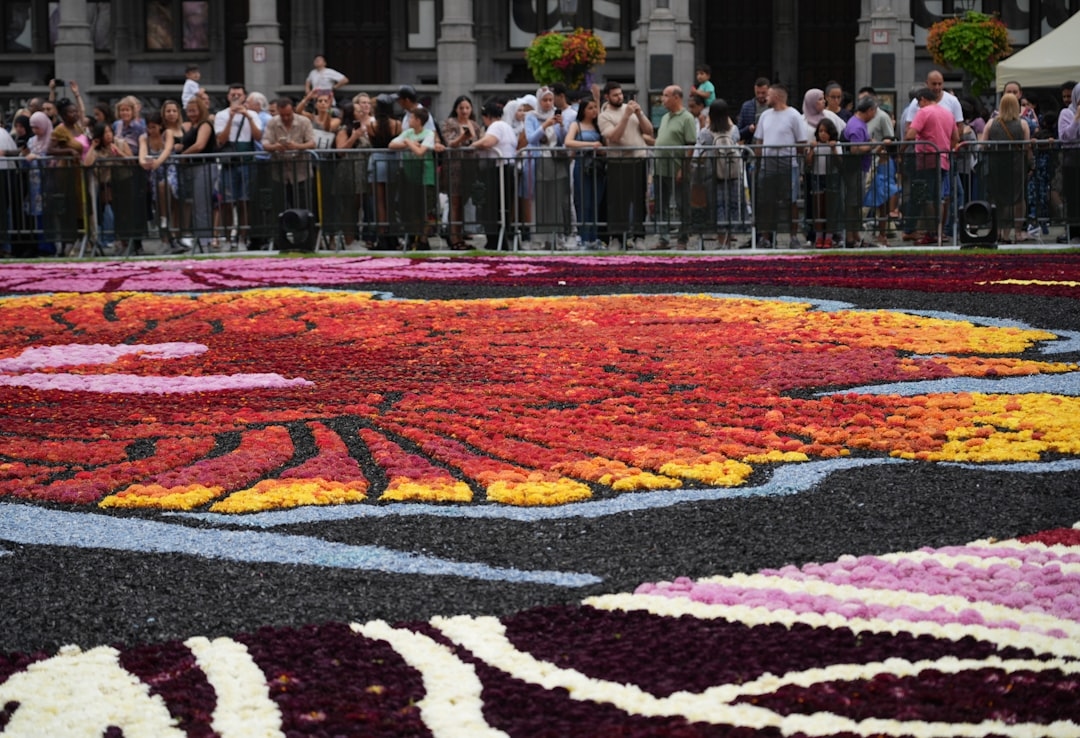
It’s one thing to read about these mega-flowers. Seeing (and smelling) them in person? Unforgettable. Here’s where to catch the biggies stateside:
- New York Botanical Garden (NYBG), Bronx, NY
Famous for its titan arum events, NYBG updates a “bloom watch” every summer. - U.S. Botanic Garden, Washington, D.C.
Regularly displays both titan arum and Victoria amazonica (giant water lilies). - Missouri Botanical Garden, St. Louis, MO
Their Climatron conservatory hosts Victoria amazonica each summer–pads large enough to sit a toddler on. - Huntington Library, San Marino, CA
Home to rare Amorphophallus specimens and sprawling magnolia groves. - Fairchild Tropical Botanic Garden, Coral Gables, FL
Best place to see a lush collection of southern magnolias and rare tropicals.
Some flowers–like Rafflesia–are so specialized, you’ll need a passport and a rainforest hike. But the rest? Easily spotted at a U.S. garden with a ticket ($10-$28, depending on venue).
Why Don’t Florists Carry These Giants?
The Logistics of Supersized Blooms
If you’ve ever browsed a flower delivery site–say, 1-800-Flowers or Teleflora–you’ll notice a lack of three-foot-wide bouquets. Here’s why:
- Fragility: Rafflesia blooms perish within days and can’t be transported.
- Scent: Titan arum’s “rotting corpse” smell is not “wedding chic.”
- Size and Storage: Most shops max out at peonies and sunflowers. A single Rafflesia would overflow the delivery truck.
- Legal and Ethical Concerns: Both Rafflesia and titan arum are protected; harvesting is strictly prohibited.
Supersized Alternatives for Arrangements
Florists aiming for impact use:
- Oversized sunflowers (especially ProCut and Mammoth hybrids)
- Oriental lilies (Casa Blanca, Star Gazer)
- King Protea (Protea cynaroides) for tropical flair
“Big flowers make a statement, but even for installations, practicality matters. Our clients want drama–just not the aroma!” says Jordan Fields, creative director at Brooklyn Blooms.
How Have Giant Flowers Inspired Art and Culture?
Georgia O’Keeffe and American Floral Obsession
The raw power of giant blooms shows up everywhere–from Georgia O’Keeffe’s iconic 1920s magnolia paintings to backyard sunflower contests at Minnesota State Fair.
In 2026, U.S. floral design trends continue to lean big and bold: think king protea centerpieces, magnolia-leaf garlands for Southern weddings, and “living wall” installations featuring oversized blooms.
Modern Flower Shows and Instagram Fame
Public fascination with giant flowers means every rare titan arum bloom is a social media event. The hashtag #CorpseFlower trends every summer, and gardens now offer time-lapse live streams. Some rare-bloom events draw 20,000+ visitors in a weekend, with lines stretching around city blocks.
Frequently Asked Questions
What is the largest flower in the world?
The largest flower on Earth is Rafflesia arnoldii. It grows up to 3.3 feet (1 meter) across and is native to rainforests in Indonesia.
What is the largest flower you can buy in the U.S.?
Giant sunflowers and king protea are the largest fresh-cut flowers commonly available from American florists. Some specialty growers offer peony or magnolia blooms up to 10-12 inches in diameter.
Do any of the world’s biggest flowers smell good?
Most of the world’s truly giant flowers–like Rafflesia and Titan Arum–give off strong, unpleasant odors to attract pollinators. Magnolia grandiflora and Victoria amazonica are notable exceptions with sweet, pleasant scents.
Where can I see the largest flowers in person in the U.S.?
Botanical gardens in cities like New York, Washington D.C., St. Louis, and Los Angeles often display titan arum, giant water lilies, and oversized magnolias.
Can you grow Rafflesia or Titan Arum at home?
Rafflesia cannot be cultivated outside its native rainforest habitat. Titan arum can only be grown in large, specialized greenhouses–far beyond the scale of home gardening.
Growing Big: How to Cultivate Statement Blooms at Home
You don’t need a tropical jungle (or a gas mask) to make a splash in your garden. For US gardeners in 2026, the biggest statement comes from classic American sunflowers, “Dinner Plate” hibiscus, or a row of lilies along the porch. Check your USDA hardiness zone, pick up seeds from local garden centers like Armstrong or online shops like American Meadows, and try staking a few sunflower giants this summer.
Who knows? Maybe next year, your backyard will host a little piece of the world’s flower giants–minus the funk.
Ready to see the world’s largest flowers? Check your local botanical garden’s event calendar and bring your camera–and maybe a nose plug, just in case.