Contents:
- What Are the Best Wedding Flowers for Winter? (Quick Answer)
- Why Choose a Winter Wedding? Real Pros and Designer Insights
- Winter Wedding Flower Availability & Costs
- Which Flowers Are In-Season in Winter?
- Hidden Costs to Watch
- Creating a Winter Wedding Flower Palette
- Color Stories That Shine in Winter
- Standout Winter Bouquet Ideas
- Flower Care in Cold (and Sometimes Dry) Conditions
- How Florists Protect Winter Blooms
- Beyond the Bouquet: Winter Ceremony and Reception Flowers
- Ceremony Installations
- Reception Details
- Top US Winter Wedding Floristry Trends for 2026
- Embracing Sustainability
- Monofloral Magic
- Dramatic Contrasts
- Non-Floral Accents
- Winter Flower Planning Timeline
- When to Book and Order
- Pro Tip
- Frequently Asked Questions
- What are the most affordable winter wedding flowers?
- Are peonies available for winter weddings in the US?
- Can I use fresh greenery like pine or cedar indoors?
- How do florists prevent winter flowers from wilting?
- When should I finalize my winter wedding flower order?
- Ready to Get Planning?
Wedding Flower Planning by Season – Winter
Picture this: A January wedding, snowflakes swirling outside, inside, guests marvel at lush bouquets overflowing with creamy ranunculus, berry-laden viburnum, and waxflower. Winter weddings are a study in contrasts–crisp air against candlelit warmth, icy branches paired with deeply saturated petals. Yet, planning wedding flowers for the frosty season comes with challenges and unexpected delights.
What Are the Best Wedding Flowers for Winter? (Quick Answer)
Looking for a shortlist of winter wedding florals that are both stunning and available? Focus on these:
- Amaryllis
- Anemones
- Ranunculus
- Tulips
- Hellebores
- Roses (especially garden roses)
- Waxflower
- Winterberry
- Eucalyptus and evergreens (for greenery)
Many of these flowers are at their peak from December through February in the US, making them both fresher and more cost-effective compared to out-of-season imports.
Why Choose a Winter Wedding? Real Pros and Designer Insights
There’s something magical about embracing winter’s palette–think garnet reds, snow-white blooms, glossy holly, and silvery foliages. According to Julia Tran, founder of Tran & Co. Florals (Brooklyn, NY), “Winter couples have the advantage of unique flower varieties and textures you can’t get in summer. Plus, venues offer lower rates in winter months, freeing up budget for more extravagant arrangements.”
Did you know? According to The Knot’s 2026 US Wedding Industry Report, 13% of American weddings now happen in December-February, nearly double the rate from 2020.
For winter, florists lean into tactile contrasts–velvety petals with glossy berries, or frosted greenery with matte blooms. “It’s the coziest season for florals,” says Tran. “Candlelight + winter blooms = pure romance.”
Winter Wedding Flower Availability & Costs
Which Flowers Are In-Season in Winter?
Seasonality matters–a lot–when it comes to freshness, availability, and cost. Some flowers are classic winter staples; others, like peonies, become expensive splurges when imported.
| Flower | Seasonality (US) | Approx. Price per Stem (USD, 2026) | Notable Features |
|---|---|---|---|
| Amaryllis | Dec-Feb | $7 – $12 | Bold, trumpet-shaped |
| Anemones | Nov-March | $3 – $8 | Dark center, modern appeal |
| Ranunculus | Dec-April | $2 – $7 | Ruffled, romantic |
| Hellebores | Dec-March | $4 – $10 | Moody, long-lasting |
| Tulip | Dec-May | $1 – $3 | Classic, many colors |
| Garden Rose | Year-round* | $4 – $12 | Fragrant, luxurious |
| Waxflower | Year-round | $1 – $2 | Filler, citrus scent |
| Winterberry | Nov-Feb | $3 – $6 | Red berries, festive |
| Eucalyptus | Year-round | $1 – $3 | Greenery, modern texture |
*Some garden roses are hot-housed year-round; winter shipping fees may apply.
Hidden Costs to Watch
Out-of-season blooms (especially peonies, lisianthus, or dahlia) are shipped in from New Zealand or Chile in winter, sometimes doubling the price per stem. For example, in 2026, peonies in January are retailing at up to $20 per stem in US flower markets–ouch.
Pro tip from Samantha Gleason, AIFD-certified event florist: “Ask your florist for US-grown flowers. Domestic farms like Oregon Flowers or California’s Mayesh supply top-quality winter blooms and keep costs lower than imports.”
Creating a Winter Wedding Flower Palette
Color Stories That Shine in Winter
Winter invites bold, moody, or frosty palettes. Here are top color combinations florists love for the cold season:
- Classic Winter Whites: ivory, cream, soft greys
- Jewel Tones: burgundy, emerald, deep purple
- Frosted Pastels: dusty blue, blush, silver
- Festive Pops: red, forest green, gold
“Don’t be afraid of dark blooms–they POP against white dresses and snowy backdrops.”
– Carla Mendoza, Lead Designer, Petal Theory, Boston MA
Standout Winter Bouquet Ideas
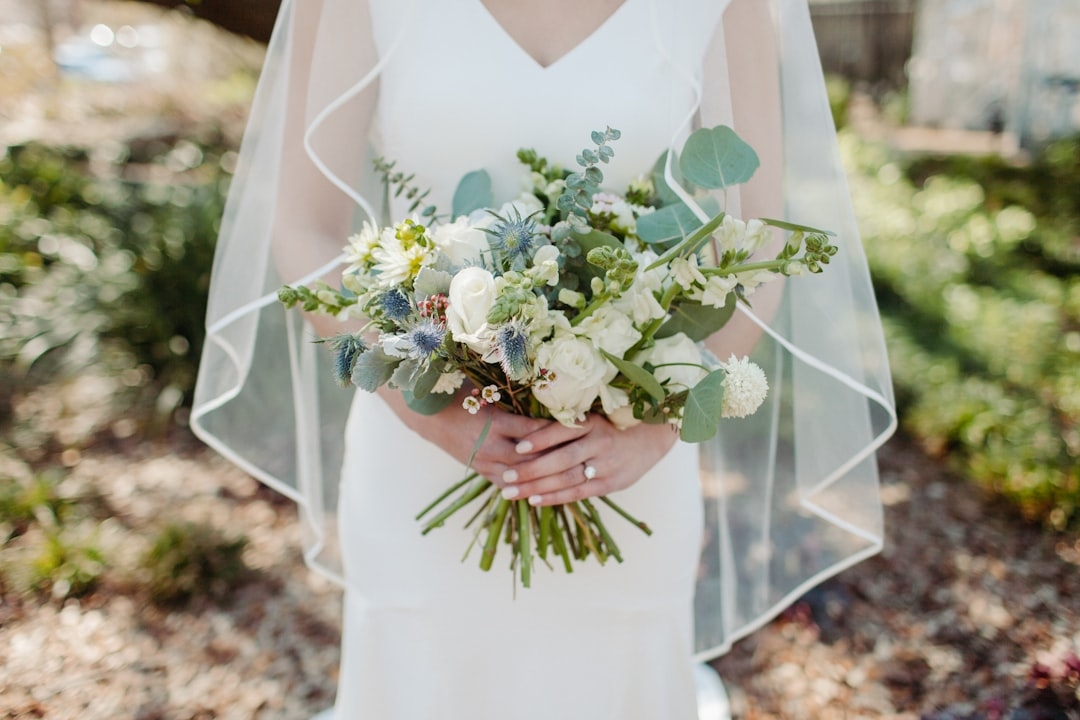
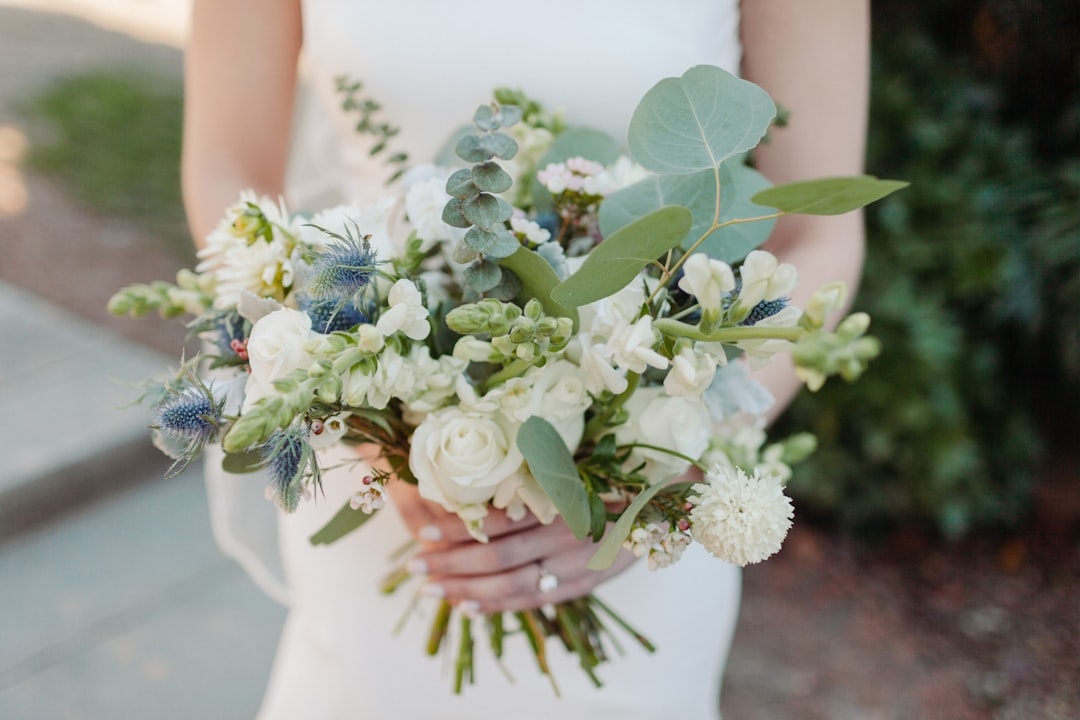
- Lush & Romantic: White garden roses, burgundy ranunculus, hellebores, privet berry, eucalyptus
- Modern & Minimal: Anemones, tulips, Italian ruscus, black scabiosa
- Woodland Glam: Amaryllis, pine, juniper, winterberry, silver brunia, velvet ribbon finish
Florists often add texture using pinecones, seed pods, or even fabric-wrapped handles for extra warmth.
Flower Care in Cold (and Sometimes Dry) Conditions
How Florists Protect Winter Blooms
Winter brings unique flower care challenges. Many venues crank up the heat, leading to dry air that can wilt delicate petals (ranunculus, for instance). Here’s how the pros handle it:
- Hydration Matters: Keep bouquets in water until the last possible minute; use floral sprays for protection.
- Travel Wisely: If braving outdoor photos, wrap bouquets in plastic and store in a cool, not freezing, spot.
- Last-Minute Assembly: Many florists now assemble centerpieces onsite to minimize transit damage from cold or dry air.
“Never freeze your flowers–even hardy greens get spotty if they’re in a car overnight in January,” warns Michael Zhou, owner of Zhou’s Flowers, Chicago.
Beyond the Bouquet: Winter Ceremony and Reception Flowers
Ceremony Installations
Winter’s dramatic light is perfect for lush altar arrangements or floral arches with:
- Evergreen garlands (cedar, pine, eucalyptus)
- Clusters of white amaryllis, roses, and waxflower
- Faux snow accents
Reception Details
Table centerpieces often use lower, candlelit designs for a cozy effect. Floating candles in glass mixed with winter blooms create a magical effect on darker afternoons or early sunsets.
Winter Favors: Mini bouquets of rosemary, bay, or holly tucked into napkins; velvet-wrapped single stems.
Top US Winter Wedding Floristry Trends for 2026
1. Embracing Sustainability
Eco-conscious couples are requesting locally grown, seasonal flowers or even potted plants (amaryllis bulbs are hot for winter favors this year). Compostable foam and reusable mechanics are now standard in luxury event design.
2. Monofloral Magic
Using a single flower type–such as all-white anemones or amaryllis–lets bold blooms shine and keeps costs predictable.
3. Dramatic Contrasts
Combinations like deep burgundy ranunculus with icy blue thistle or copper beech foliage add layers and movement to arrangements.
4. Non-Floral Accents
Expect more berries, fruits (persimmon, kumquat), or even artful dried botanicals. These hold up beautifully in winter’s dry air.
Winter Flower Planning Timeline
When to Book and Order
- 6-12 Months Out: Consult with your florist; book early for prime winter dates (Dec holidays book up fast).
- 4 Months Out: Finalize flower palette and types, especially if importing specialty blooms.
- 6 Weeks Before: Review any substitutions for weather-driven supply issues.
- 2 Weeks Out: Confirm delivery logistics, emergency weather plans.
Pro Tip
Florists recommend finalizing your flower order sooner rather than later in winter. Holidays (Christmas, Valentine’s Day) create spikes in demand and can affect pricing or availability.
Frequently Asked Questions
What are the most affordable winter wedding flowers?
Carnations, tulips, waxflower, and greenery like pine or eucalyptus are the most budget-friendly and widely available in winter. Sourcing locally (from US growers) also helps cut costs during these months.
Are peonies available for winter weddings in the US?
Peonies are rarely in season during winter in the US. Any peonies available are typically imported from the Southern Hemisphere and cost up to $20 per stem as of 2026. Consider ranunculus, garden roses, or double tulips for a similar romantic look at a lower price.
Can I use fresh greenery like pine or cedar indoors?
Yes–pine, cedar, and fir are classic winter wedding greens and safe for indoor use. Just be sure to check for any guest allergies, and know that some evergreens (like cypress) can shed needles if not conditioned well.
How do florists prevent winter flowers from wilting?
Florists keep flowers hydrated until the last minute, use anti-wilt sprays, and often assemble arrangements on-site to prevent exposure to cold or dry air during transit. Some may use moisture-retaining wraps to protect delicate stems.
When should I finalize my winter wedding flower order?
Finalize your flower choices and order at least 4-6 months before the wedding, especially if your date falls near major holidays. This allows time for securing specialty blooms and any substitutions if there are weather or supply chain issues.
Ready to Get Planning?
Sit down with your florist (or hop on a FaceTime call) and bring a Pinterest board or a handful of inspiration photos. Share your favorite winter textures–maybe you love the drama of black-centered anemones or the hygge charm of candlelit arrangements. Ask your florist for U.S.-grown, seasonal picks that will look incredible on your date. Winter weddings are prime time for creativity in florals–embrace the coziness, and your blooms will be a highlight everyone remembers long after the snow melts.