Contents:
- Quick Answer: What Flowers Should You Send to an Eastern Orthodox Funeral?
- The Spiritual Meaning of Flowers in Eastern Orthodox Funerals
- Liturgical Roots
- Why White?
- Types of Arrangements: What’s Appropriate, What’s Not
- Comparison Table: Common Funeral Arrangements
- Wreaths & Sprays: Circular Meanings
- Casket Arrangements & Crosses
- Where and When to Send Flowers
- Wake, Funeral, and Memorial Services
- Regional and Cultural Variations in the US
- How US Flower-Delivery Services Handle Orthodox Requests
- Common Mistakes Americans Make (And How to Avoid Them)
- Quick Reference: Orthodox Funeral Flower Etiquette Checklist
- FAQ on Eastern Orthodox Funeral Flower Etiquette
- How much should I spend on flowers for an Orthodox funeral in the US?
- Are flower arrangements ever not appropriate for Orthodox funerals?
- Can I send flowers to the family’s home after the funeral?
- What messages should I include on the flower ribbon or card?
- Is it acceptable to send artificial or silk flowers?
- Moving Forward: Honoring Memory With Sensitivity
Eastern Orthodox Funeral Flower Etiquette: Customs, Meaning, and Modern Guidance
A quiet hush fills the nave. Candles flicker, casting halos of light across deep red iconography. In front, an Eastern Orthodox casket–often open, sometimes closed–rests amid a swirl of incense and a sea of flowers. Each bloom and arrangement carries layered meaning, bound up in centuries of tradition. For many American families, particularly those newer to Orthodox Christian customs, the “rules” around funeral flowers can seem mysterious. Getting it right matters. But what does “right” look like in 2026?
Quick Answer: What Flowers Should You Send to an Eastern Orthodox Funeral?
Most Eastern Orthodox funerals welcome flowers, but there are guidelines. Opt for simple, elegant arrangements–white lilies, roses, gladioli, chrysanthemums, and carnations are favored. Avoid bright, festive colors and “celebratory” arrangements. Wreaths, standing sprays, and casket flowers are appropriate, and it’s best to avoid artificial flowers. Send arrangements to the funeral home or church, not the family’s home before the service.
- Preferred: White lilies, roses, gladioli, chrysanthemums, carnations
- Avoid: Brightly colored, highly perfumed, or artificial arrangements
- Appropriate types: Wreaths, standing sprays, casket covers
- Where to send: Funeral home or church, not family’s home pre-service
The Spiritual Meaning of Flowers in Eastern Orthodox Funerals
Flowers speak a language all their own at an Orthodox memorial. White blooms symbolize purity, resurrection, and a soul at peace. Red may be used for martyrs or on specific feast days, but in the US, white remains standard.
Liturgical Roots
Dr. Anna Kouris, a liturgical historian with the Greek Orthodox Archdiocese of America, explains:
“Floral offerings at Orthodox funerals aren’t just for beauty–they recall the paradise lost and promise of eternal life. That’s why you’ll nearly always see white lilies and roses on the altar during Pascha, and why white predominates at funerals, too.”
The use of flowers dates to the early Church, when fragrant blossoms masked the scent of myrrh and chrism. By the 1800s, American Orthodox communities had formalized the practice, drawing on both Eastern and Western floral symbolism.
Why White?
- White lilies: Signal resurrection and the purity of the soul
- White roses: Stand for reverence and everlasting love
- Chrysanthemums: A traditional funeral flower, especially in Russian and Greek Orthodox rites
- Carnations and gladioli: Durable, affordable, and emblematic of remembrance
Bright bouquets, tropical flowers, and balloons are best saved for other occasions. Orthodox families often find such displays jarring at a wake or funeral liturgy.
Types of Arrangements: What’s Appropriate, What’s Not
With options ranging from standing sprays to custom casket covers, even seasoned Americans can feel overwhelmed at the florist’s counter. Knowing the norms helps avoid missteps.
Comparison Table: Common Funeral Arrangements
| Arrangement Type | Orthodox Funeral Status | Typical Cost (USD, 2026) | Notes |
|---|---|---|---|
| Standing Spray | Appropriate | $125-$400 | White or muted tones preferred |
| Wreath | Appropriate | $150-$350 | Circular shape symbolizes eternity |
| Casket Cover | Appropriate | $200-$700 | Usually ordered by close kin |
| Cross Arrangement | Common | $175-$500 | Symbol of faith, best in white |
| Bright Bouquets | Not preferred | $60-$200 | Avoid vivid hues |
| Artificial Flowers | Usually avoided | $30-$150 | Natural blooms preferred |
Wreaths & Sprays: Circular Meanings
Orthodox churches often feature 2-3 large wreaths near the casket, representing the “unending nature of life” in Christ. These are sometimes sponsored by the parish or close friends. Standing sprays–tall, one-sided arrangements–line the aisle or surround the iconostasis (altar screen).
Casket Arrangements & Crosses
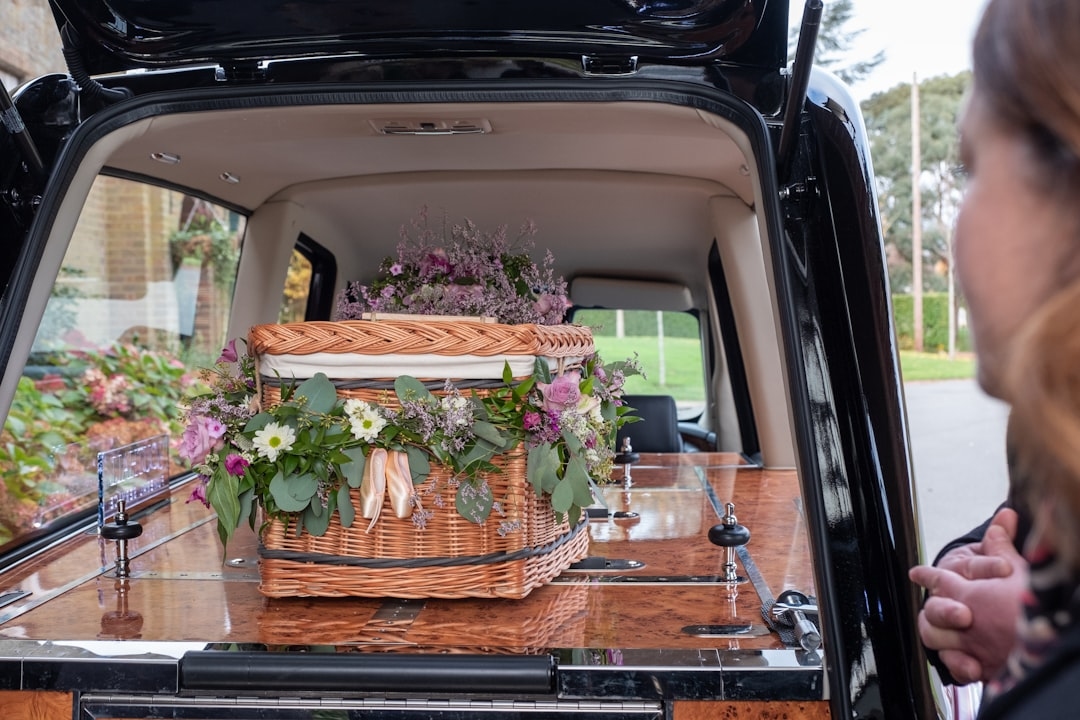
Casket covers are usually reserved for immediate family. Cross-shaped arrangements are popular in larger Greek and Russian Orthodox parishes, both in the US and abroad. Retailers like FTD and 1-800-Flowers offer customizable Orthodox-appropriate options–just indicate “Orthodox funeral” when ordering.
Where and When to Send Flowers
Etiquette counts, right down to the timing. For Orthodox funerals in the US, floral deliveries should arrive at the funeral home or church before the wake or visitation, ideally 2-3 hours in advance.
- Don’t send flowers to the family’s home before the funeral. This is seen as intrusive in many Orthodox communities.
- After the funeral, it’s appropriate to send sympathy arrangements to the family’s home, but keep them modest.
Wake, Funeral, and Memorial Services
In Orthodox custom, the wake (panikhida or parastas) precedes the funeral liturgy. Flowers sent to the funeral home are displayed during the wake, then moved to the church for the funeral proper.
Some families request donations to their parish or a favorite charity in lieu of flowers. Always check the obituary or funeral notice for specific instructions.
Regional and Cultural Variations in the US
New York’s bustling Greek Orthodox parishes. Detroit’s historic Russian Orthodox cathedrals. Each community brings its own flavor to floral etiquette, shaped by tradition and American norms.
- Greek Orthodox: White chrysanthemums, lilies, and casket crosses dominate. Wreaths feature ribbons with gold-lettered dedications.
- Russian Orthodox: Red roses may be included, especially for older parishioners, but white still anchors most arrangements.
- Serbian, Antiochian, and Romanian Orthodox: More variation, but modesty remains central. Silk arrangements are sometimes used for practical reasons, especially in summer.
Florist Maria Stathoulis, owner of St. Sophia’s Blooms in Astoria, NY, reports that since 2020, over 75% of her Orthodox funeral orders request “simple, white, and formal” arrangements–double the rate she sees for Catholic or Protestant services.
How US Flower-Delivery Services Handle Orthodox Requests
Major US flower-delivery companies (Teleflora, FTD, 1-800-Flowers) all enable Orthodox funeral selections, but not all staff know the nuances. Always:
- Specify “Orthodox funeral” and desired color scheme when ordering
- Ask for white or muted palettes
- Check if the funeral home or parish has specific guidelines (some post them on their website)
Independent florists in US cities with large Orthodox populations–like Chicago, Los Angeles, and Boston–often have pre-designed “Orthodox Funeral” options, based on the most-requested customs.
Common Mistakes Americans Make (And How to Avoid Them)
- Assuming all flower types are welcome
Not all cultures see flowers as appropriate. But in Orthodox tradition, it’s the type, color, and tastefulness that matter. - Sending overly lavish or bright arrangements
Orthodox virtue prizes humility and simplicity. - Delivering flowers to the wrong location
Always confirm if flowers should go to church, funeral home, or cemetery. - Ignoring “In lieu of flowers” instructions
If the obituary requests donations instead, respect the family’s wishes.
“The most meaningful arrangements are those that respect both faith and family–never the size or the price tag,” says Father Alexei Ralston, rector of Holy Trinity Orthodox Cathedral in San Francisco.
Quick Reference: Orthodox Funeral Flower Etiquette Checklist
- Stick with white, cream, or pale blooms
- Opt for classic arrangements: wreaths, sprays, crosses
- Avoid tropical, bright, or balloon-laden bouquets
- Order through a florist familiar with Orthodox customs
- Double-check delivery time and location with the funeral home or parish
- Respect “no flowers” requests–donate if asked
FAQ on Eastern Orthodox Funeral Flower Etiquette
How much should I spend on flowers for an Orthodox funeral in the US?
Most guests spend $100-$200 on a wreath or standing spray in 2026. Immediate family casket covers typically range $250-$600, depending on the florist and location.
Are flower arrangements ever not appropriate for Orthodox funerals?
Some monasteries, small parishes, or families may request “no flowers.” Always check the obituary or call the parish office. In those cases, charitable donations–often listed as “in lieu of flowers”–are preferred.
Can I send flowers to the family’s home after the funeral?
Yes, simple arrangements or potted plants may be sent after the funeral or memorial meal (makaria). Avoid large or ornate bouquets.
What messages should I include on the flower ribbon or card?
Traditional options include:
- “Memory Eternal”
- “With love in Christ”
- “May her/his memory be eternal”
Avoid secular phrases like “Gone but not forgotten.”
Is it acceptable to send artificial or silk flowers?
Natural flowers are preferred. Silk or artificial arrangements are generally avoided, except where weather or cemetery regulations require them.
Moving Forward: Honoring Memory With Sensitivity
Funeral flowers are never just decoration in the Eastern Orthodox tradition–they’re a silent prayer, a gesture of love, a sign of faith in life everlasting. In the US, families and friends bridge centuries-old customs and American practicality. The best way to honor a loved one’s memory? Take time to ask. Choose thoughtfully, guided by both heart and heritage. And, for those unsure, a phone call to the parish or a trusted florist grounds even the most modern arrangements in the comfort of tradition.