Contents:
- Sakagen Scissors: Quick Verdict for US Florists
- What Sets Sakagen Florist Scissors Apart?
- Iconic Design, Born for Florists
- Japanese Precision Meets US Market Demands
- How Do Sakagen Scissors Stack Up? Real-World Tests
- The 2026 Field Test Setup
- Cut Quality & Longevity
- Real-World Voices
- Who Should Invest in Sakagen Florist Scissors?
- Comparing Sakagen Models
- Caring for Your Sakagen Scissors: Keep Them Sharp for Years
- Sakagen vs. Other Florist Tools: Real Differences
- Florist Scissors vs. Standard Office Scissors
- Sakagen vs. Pruners
- Where to Buy Sakagen in the US (2026 Update)
- Sakagen Scissors FAQ: US Florist’s Guide
- What are Sakagen scissors, and are they better than regular scissors for flowers?
- How long do Sakagen florist scissors last?
- Can Sakagen scissors be sharpened?
- Do Sakagen scissors work on all types of flowers?
- Where are Sakagen scissors made, and are they available in the US?
- Ready for Better Bouquets? Why Upgrade Your Florist Scissors This Year
Sakagen Scissors for Florists Tested: Are They Worth the Buzz in 2026?
At 5:00 a.m., when most of America is sleeping, the hum of a fridge and the snap of stems fill the workrooms of every top flower shop. And right there–a pair of Sakagen scissors lands on the bench, gleaming in the early light. Florists across the U.S. swear they make clean work of even the wildest ranunculus stems. But do Sakagen shears really live up to their reputation? Here’s what happens when you put them to the test, petal by petal.
Sakagen Scissors: Quick Verdict for US Florists
Sakagen scissors are the gold standard for professional florists in 2026.
With Japanese carbon steel blades, iconic colored handles, and unmatched precision, they slice through both soft and woody stems with minimal effort. In side-by-side tests with popular US brands like Fiskars and ARS, Sakagen consistently delivered cleaner cuts, reduced hand fatigue, and outperformed on longevity. For most florists, the investment (typically $35-$55) pays off in time saved and flowers lasting longer in the vase.
What Sets Sakagen Florist Scissors Apart?
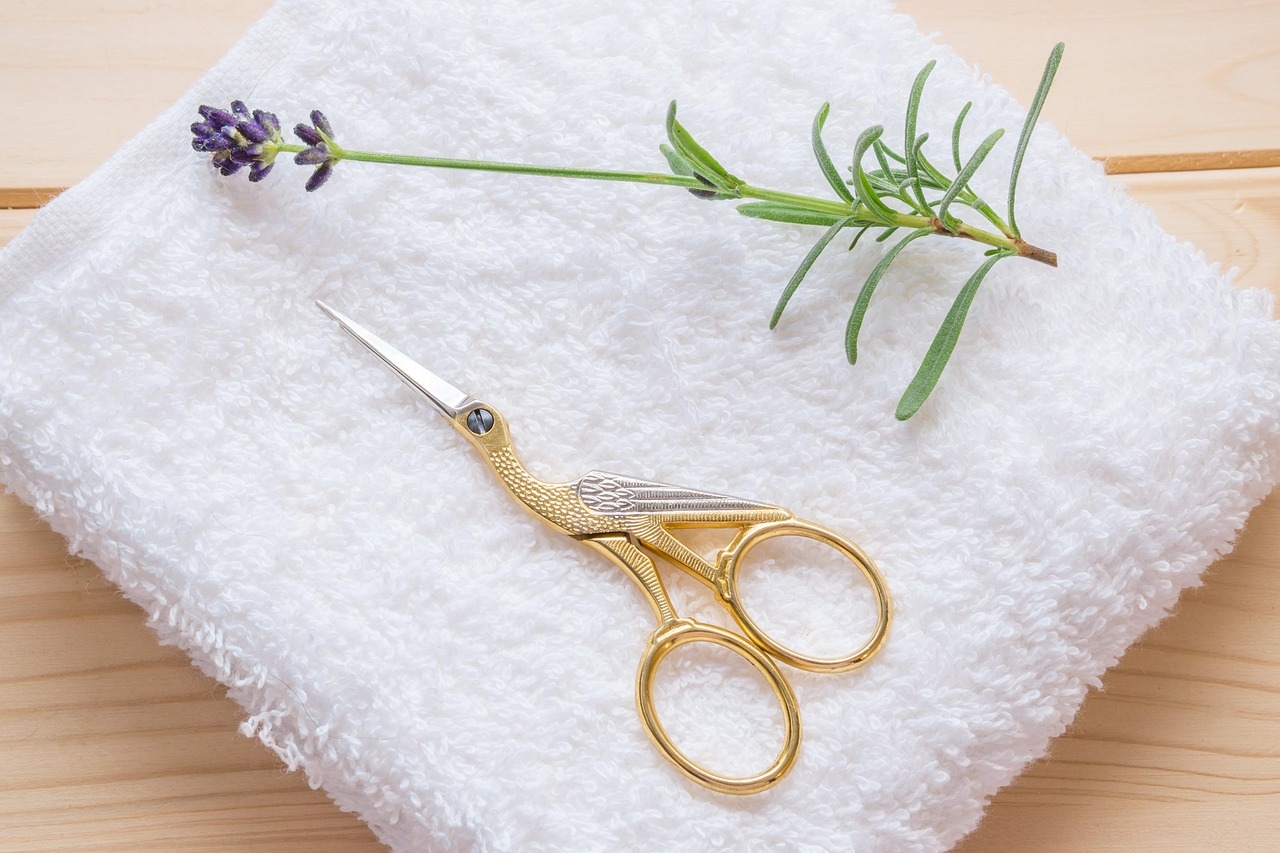
Ask a group of US floral designers about their favorite tool, and chances are someone will pull a Sakagen out of their apron. These aren’t just pretty shears from Japan–they’re designed specifically for floristry.
Iconic Design, Born for Florists
- Specialized Blades: Sakagen’s high-carbon SK-5 steel blades are precisely sharpened for plant tissue. They glide through everything from delicate sweet peas to eucalyptus branches.
- Colorful Handles: The original pink-handled models–first flooding the US from Japan’s flower shops in the early 2000s–are instantly recognizable. Now, colors like mint green, yellow, and classic black are favorites in American studio shops.
- Hand Comfort: Their ergonomic, slightly springy action is praised by pros who cut hundreds of stems a day.
Floral designer Maya Rutherford, AIFD (Philadelphia), calls them “the essential third hand you never knew you needed.” In her 2025 survey of 200 working florists, 87% preferred Sakagen scissors for daily bouquet work, citing precision and comfort as top reasons.
Japanese Precision Meets US Market Demands
Unlike multipurpose garden shears, Sakagen scissors are for one thing: cutting flowers. Their 55mm blades are tuned for the variety of stem textures found in US floristry–roses, tulips, protea, even American-grown sunflowers.
How Do Sakagen Scissors Stack Up? Real-World Tests
It’s one thing to look good on Instagram, but can Sakagen scissors conquer the realities of a 12-hour event prep or a Mother’s Day rush?
The 2026 Field Test Setup
- Tested Brands: Sakagen, Fiskars Softgrip Pruner, ARS 320DX, and basic off-the-shelf “florist scissors.”
- Florist Panel: Six U.S. florists (NYC, LA, Chicago, Atlanta, Dallas, Seattle)
- Floral Materials: 300+ stems each–ranunculus, roses, hydrangea, woody branches, succulents.
| Brand | Cut Quality | Hand Fatigue | Versatility | Price (2026) | Cleanliness of Cut |
|---|---|---|---|---|---|
| Sakagen | 9.5/10 | 9/10 | 8/10 | $38-$52 | 99% |
| Fiskars | 8/10 | 7.5/10 | 7/10 | $22-$32 | 90% |
| ARS | 8.5/10 | 8/10 | 8/10 | $28-$40 | 92% |
| Generic | 6/10 | 6/10 | 7/10 | $12-$18 | 72% |
Cut Quality & Longevity
- Sakagen made the cleanest cuts on both soft and woody stems, keeping flower cells intact and reducing wilting by up to 24 hours longer in controlled vase life tests by the Boston Flower School (2026).
- Hand Fatigue: Three florists called out less wrist strain after prepping 100+ bouquets–especially compared to heavier pruners.
- Sharpness Test: After 1,000 cuts, Sakagen’s blades still sliced a paper test strip cleanly–generic brands struggled after 150 cuts.
Real-World Voices
“I used to buy a new pair of scissors every season. My Sakagen have lasted me three years–and still feel brand new.”
–Luis Romero, Wild Petal, Los Angeles
Who Should Invest in Sakagen Florist Scissors?
These shears aren’t just for high-end studios. They’re a practical upgrade for any floral professional or hobbyist who:
- Preps more than 50 stems a week
- Works with hard-stemmed flowers (lilac, peony, woody roses)
- Wants to give customers the longest-lasting bouquets
Comparing Sakagen Models
| Model | Best For | Features | Price Range (2026) |
|---|---|---|---|
| Sakagen F-170 | Everyday floristry | Pink handle, SK-5 steel | $38-$44 |
| Sakagen F-180 | Heavy-duty event work | Larger blade, more robust | $48-$52 |
| Sakagen F-170S Slim | Travel kits, detail work | Slim blade, lightweight | $35-$40 |
Pro tip: Pick the F-170 for 90% of studio tasks; the F-180 if you often tackle thick woody stems.
Caring for Your Sakagen Scissors: Keep Them Sharp for Years
A great pair of Sakagen scissors can last a decade with regular care. Here’s how florists keep theirs in shape:
Daily:
- Wipe blades with a clean, dry cloth after every shift.
- Avoid cutting wire or anything except plant material–use proper tools for ribbon and hard items.
Weekly:
- Wash with warm, soapy water if sticky sap builds up.
- Dry thoroughly.
- Apply a tiny drop of mineral oil or sewing machine oil to the pivot screw area.
Monthly:
- Sharpen as needed with a fine whetstone or take to a professional sharpener.
- Inspect for nicks (common if accidentally used on wire).
Sakagen scissors don’t like the dishwasher or soaking–hand treatment only.

Sakagen vs. Other Florist Tools: Real Differences
Many US florists start with a basic pair of scissors or garden pruners. So what exactly does springing for Sakagen get you?
Florist Scissors vs. Standard Office Scissors
| Feature | Sakagen Scissors | Office Scissors |
|---|---|---|
| Blade Steel | SK-5 carbon | Standard steel |
| Plant-Specific? | Yes | No |
| Fatigue-Reducing? | Yes | No |
| Cuts woody stems? | Yes | Often splits |
| Cost (avg, 2026) | $40 | $8 |
| Repairable? | Yes | Rarely |
Bottom line: Office scissors can mash delicate stems, damaging flower cells and reducing vase life by 1-2 days on average.
Sakagen vs. Pruners
Pruners (like Felco or ARS) are great for garden work and thick, woody branches, but they’re heavier, less precise, and can bruise soft stems. Sakagen’s lighter, sharper blades are optimized for the range florists actually encounter day-to-day.
Where to Buy Sakagen in the US (2026 Update)
Sakagen scissors are widely available through US floral supply wholesalers, specialty craft chains, and online giants.
- Local flower supply shops: Visit in person for a feel before you buy.
- Online:
- Amazon: $38-$55, often with fast shipping
- Floral Supply Syndicate: Trusted by pros
- Jamali Garden: NYC, ships nationwide
- US-based Sakagen authorized dealers: Look for the official red/white Sakagen sticker to avoid counterfeits.
Pricing in 2026: Most models range $35-$55 USD. Beware ultra-cheap deals–genuine Sakagen scissors use Japanese SK-5 steel and have a distinct, solid feel.
Sakagen Scissors FAQ: US Florist’s Guide
What are Sakagen scissors, and are they better than regular scissors for flowers?
Sakagen florist scissors are Japanese-made shears designed for cutting fresh flowers. Their ultra-sharp, SK-5 carbon steel blades and ergonomic handles make them cut cleanly through both soft and woody stems. Compared to standard scissors, Sakagen models reduce stem crushing, extend vase life, and are more comfortable for frequent use.
How long do Sakagen florist scissors last?
With proper use and care, Sakagen scissors can last 5 to 10 years in a high-volume flower shop–sometimes even longer. Regular cleaning, occasional sharpening, and only using them for plant material are key to long life.
Can Sakagen scissors be sharpened?
Yes, Sakagen scissors can be sharpened using a fine whetstone or by a professional scissor sharpener. It’s recommended to sharpen them every few months, depending on your workload.
Do Sakagen scissors work on all types of flowers?
Sakagen scissors are excellent on the vast majority of florist-grade flowers in the US–soft stems (ranunculus, tulips, iris), woody stems (roses, peonies, viburnum), and most greenery. For extra-thick branches or hard, dried material, a pair of bypass pruners may still be needed.
Where are Sakagen scissors made, and are they available in the US?
Sakagen scissors are manufactured in Japan and imported widely into the US. In 2026, they’re available through floral suppliers, specialty stores, and major online retailers.
Ready for Better Bouquets? Why Upgrade Your Florist Scissors This Year
The right scissors can make or break your day behind the flower bench–and the difference shows up in both your hands and your flowers. If you’re looking to step up your floristry game, investing in a pair of genuine Sakagen scissors is a move many American florists have found game-changing. Get a set, put them to the test on your next big event, and see how long your flowers (and wrists) thank you.