Contents:
- What’s Special About Flower Coolers? (Direct Answer)
- Why Regular Fridges Just Don’t Cut It
- The Killer: Dry Air and Ethylene
- Anatomy of a Flower Cooler
- Key Features
- Humidity: The Secret Ingredient
- Air Circulation
- What Brands Do US Florists Trust in 2026?
- Flower Cooler vs. Grocery Store Cooler
- Caring for Flowers at Home: Can You Replicate a Florist’s Cooler?
- The Real Investment: Why US Flower Shops Swear by Coolers
- Upgrading or Buying a Flower Cooler in 2026
- What to Look For
- Financing and Used Market
- FAQ: Flower Coolers and Floristry
- How cold should a flower cooler be for optimal freshness?
- Can I store flowers in a regular refrigerator?
- How much does a commercial flower cooler cost in the US in 2026?
- What flowers need flower coolers the most?
- Does a flower cooler need special maintenance?
- Bringing Professional Freshness Home
The Truth About Flower Coolers Florists Use
Step inside any professional flower shop in the US and you’ll feel it right away–the hush of cool, crisp air, as if you’ve slid into a world where every bloom is caught at its freshest. This isn’t just for show. That signature chill is powered by a workhorse behind the scenes: the flower cooler. Why do florists invest thousands in these specialized refrigerators, instead of just plugging blooms into supermarket cases or regular fridges? The truth about flower coolers isn’t widely known outside the trade, but it makes all the difference between lush, long-lasting bouquets and petals that wilt before the week’s out.
What’s Special About Flower Coolers? (Direct Answer)
A flower cooler is a commercial-grade refrigeration unit engineered to maintain high humidity (80-95%) and precise temperatures (34-36°F) ideal for fresh-cut flowers. Unlike standard refrigerators, flower coolers use gentle airflow (not fans that dry) and prevent ethylene gas build-up, dramatically extending vase life and bloom quality.
Why Regular Fridges Just Don’t Cut It
Home and restaurant refrigerators keep temperatures between 37-40°F, optimized for meat and dairy–not delicate lilies or feathery peonies. The airflow inside a typical fridge is dry and direct. That saps out moisture, causing wilting in as little as a day or two. According to Jessica Tran, lead designer at Brooklyn’s Wild Valley Florals, “I’ve seen $500 in roses shrivel overnight in a standard fridge. They need humidity to stay plump.”
The Killer: Dry Air and Ethylene
- Dry air: Most regular refrigerators use fast-blowing fans to distribute cold, but these fans are death to petals and stems.
- Ethylene gas: Ripening fruits and vegetables off-gas ethylene, which accelerates flower aging. Standard fridges trap this gas, making things worse.
Pull-Quote:
“A flower cooler is as critical to florists as an espresso machine is to a coffee shop. Without it, you’re just not serving the best product.”
– Miguel Navarro, Certified Floral Designer, Chicago
Anatomy of a Flower Cooler
Modern floral coolers look a lot like glass-door display fridges, but inside, they’re entirely different animals. Here’s how they keep bouquets at their best:
Key Features
| Feature | Flower Cooler | Standard Refrigerator |
|---|---|---|
| Temperature Range | 34-36°F | 37-40°F |
| Humidity | High (80-95%) | Low (30-50%) |
| Air Flow | Low-velocity, indirect | High-velocity, direct |
| Ethylene Control | Yes (venting, filtration) | No |
| Shelving | Open racks for circulation | Enclosed shelves, bins |
| Price (US, new 2026) | $3500-$12,000+ | $800-$3000 |
Humidity: The Secret Ingredient
Why humidity? According to Dr. Audrey Lim, professor of horticulture at Colorado State University, “Flowers lose water rapidly after cutting. Unless humidity is kept above 80%, you’ll see petal edges brown and stems go limp within 48 hours.”
Flower coolers achieve this with built-in misting systems or humidity controls–features absent in generic food coolers.
Air Circulation
Overhead baffles or diffused airflow systems gently sweep cool air around blooms without blasting them. It’s the opposite of what you find in beverage coolers (those are designed for cans, not cosmos or carnations).
What Brands Do US Florists Trust in 2026?
Some brands have become industry standards for American florists:
- Floral Master (San Diego, CA): Still the top seller for glass-door, upright coolers.
- True Manufacturing (Missouri): Their GDM series offers customizable floral settings, from humidity sensors to anti-fog glass.
- CoolBot Pro (NYC): Popular for DIY walk-ins–just add an insulated room and a compatible AC.
Pricing:
- Single-door floral cooler: $3500-$5500 new, $1800-$3000 used
- Three-door display walk-ins: $9000-$18,000
In the US, the National Florist Directory lists average flower cooler replacement cycles at 8.7 years, with most shops budgeting for a new one every decade.
Flower Cooler vs. Grocery Store Cooler
You might notice supermarket bouquets look limp by day three, while arrangements from a high-end florist stay perky for a week or more. Here’s why:
| Aspect | Grocery Store Cooler | Professional Flower Cooler |
|---|---|---|
| Humidity | 40-50% | 80-95% |
| Storage time (roses) | 2-3 days before wilting | 5-8 days at peak freshness |
| Stock turnover | Daily or biweekly | Multiple times daily |
| Bloom quality | Often pre-shipped, low control | Conditioned, trimmed, optimal |
Big-box groceries often use multi-purpose produce cases. These are colder and much drier, prioritizing vegetables over blooms. Worse, they store flowers with fruit, so ethylene builds up, hastening decay.
Florists, on the other hand, monitor temperature and humidity throughout the day (many units now have Bluetooth sensors with phone alerts), guaranteeing consistent quality.
Caring for Flowers at Home: Can You Replicate a Florist’s Cooler?
You can’t quite match a commercial floral cooler in the kitchen, but a few tricks bring you closer:
- Location matters: Keep arrangements away from fruit bowls and sunny windows.
- DIY humidity: Lightly mist petals with water every morning.
- Overnight fridge: Place arrangements in the fridge overnight, but wrap them in plastic to prevent dehydration.
- Change water daily: Bacterial growth is the fastest way to kill stems.
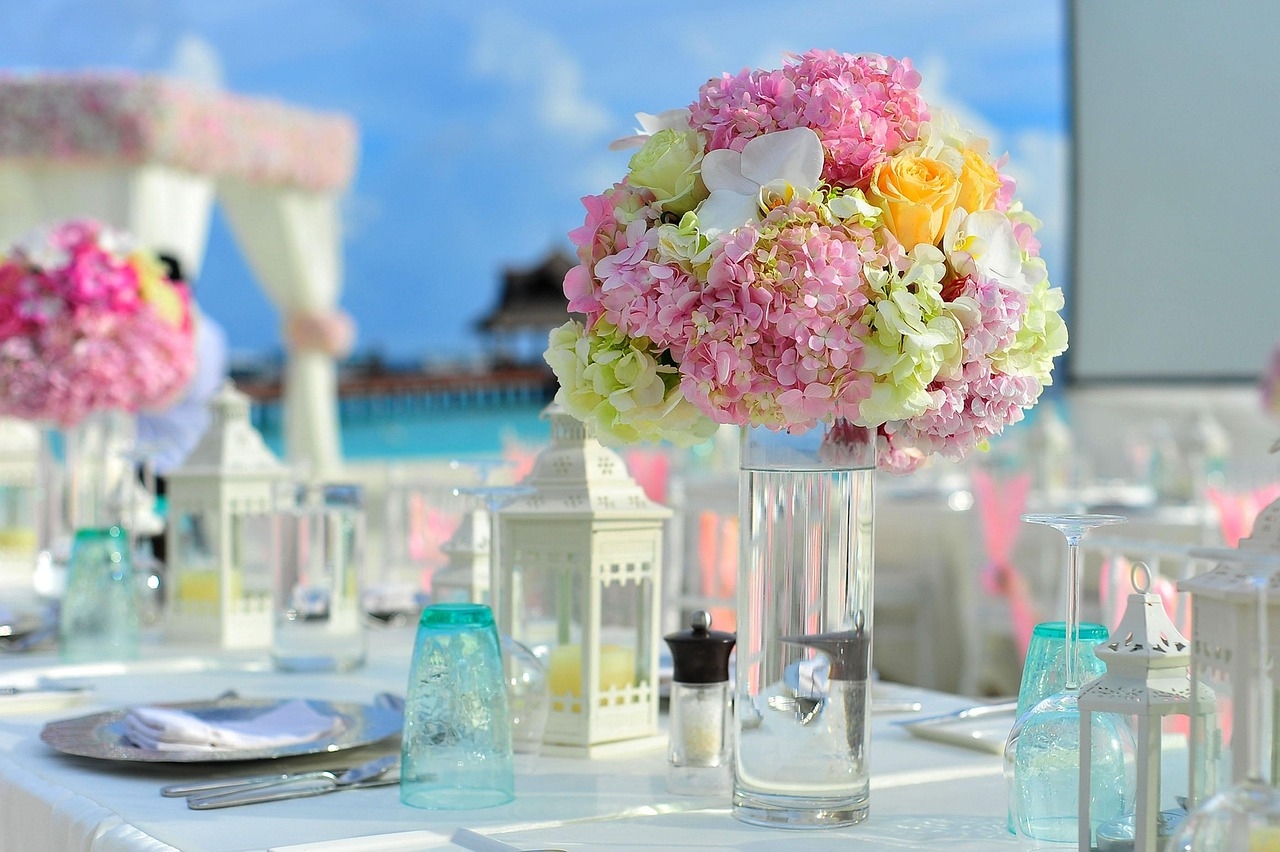
But even the best home hacks buy you a couple extra days, not the week or more a florist’s cooler grants.
The Real Investment: Why US Flower Shops Swear by Coolers
Floral coolers represent both a capital investment and an insurance policy for shops. In 2026, with fresh-cut flower costs up 11% since 2024 (USDA Floral Market Trends), florists simply can’t afford spoilage.
Florist Antonio Reyes of Dallas’s Posh Petals puts it plainly: “A good cooler pays for itself in a year. I lose almost nothing to wilt–my waste dropped by half once I upgraded.”
Average loss rate:
- With proper cooler: 3-5% of inventory, typically older or unsold stems
- Without cooler: Up to 25% loss, especially in summer
Some shops opt for energy-efficient models to reduce bills (expect electric usage around 12-18 kWh per day). These energy savings multiply over time, especially in warm climates.
Upgrading or Buying a Flower Cooler in 2026
What to Look For
- Humidity control (80%+ adjustable)
- Low-velocity, indirect airflow
- Tempered glass with UV protection
- Programmable temperature ranges
- Bluetooth/wireless monitoring
- Warranty: 5 years is standard for compressors
Financing and Used Market
New coolers cost several thousand dollars, but reputable used marketplaces (like CoolerGuys.com or US Floral Surplus) offer well-maintained units at half the price. Always check for compressor age and coil cleanliness–these affect lifespan most.
FAQ: Flower Coolers and Floristry
How cold should a flower cooler be for optimal freshness?
The ideal temperature for most floral coolers is 34-36°F (1-2°C). This range slows down stem respiration and bacterial growth, giving blooms the longest possible vase life without freezing them.
Can I store flowers in a regular refrigerator?
Technically yes, but it’s not recommended for more than 24 hours. Standard fridges are too dry and often too cold (risking frost damage). They also expose flowers to ethylene gas from produce.
How much does a commercial flower cooler cost in the US in 2026?
Prices vary. Expect $3500-$5500 for a standard single-door model, and $9000+ for large walk-in units. Used models can be found for $1500-$3500, but check for warranty and maintenance records.
What flowers need flower coolers the most?
All fresh-cut flowers benefit, but especially roses, ranunculus, tulips, peonies, and hydrangeas. Tropical flowers like orchids prefer warmer, more humid air, so they may need separate storage.
Does a flower cooler need special maintenance?
Yes–florists must clean cooling coils monthly, sanitize shelves, and replace water filters or humidity systems every 6-12 months. Check door seals and temperature sensors regularly to avoid costly breakdowns.
Bringing Professional Freshness Home
If you ever marveled at how US florists keep their arrangements looking flawless all week, now you know: it’s equal parts expertise and the right equipment. While a true flower cooler is out of reach for most homes, simple steps–like humidity, clean water, and cool, fruit-free storage–can add days of beauty to your arrangements. Next time you order from a local shop, you’ll not only appreciate the blooms, but the science humming away behind their perfect petals. For DIYers or aspiring florists thinking about upgrading, investing in the right cooler could be the most important decision for your flowers this year.