Contents:
- Quick Answer: The Real Number of Freesia Varieties
- From African Meadows to American Vases: A Short Tale of Freesia
- Freesia Species vs. Cultivars: Getting Specific
- Wild Freesia Species
- The World of Freesia Cultivars
- Most Popular Freesia Varieties for the US Market
- Top Singles & Doubles
- Color Trends (2026)
- Specialty and Heirloom Varieties
- How New Freesia Varieties Are Created
- Breeding & Hybridization
- Why Are Only Some Varieties Available in the US?
- Growing and Buying Freesia Varieties in the US
- For Home Gardeners
- For Florists
- For Gift Shoppers
- Frequently Asked Questions
- How many types of freesia can I grow at home in the US?
- Are all freesias fragrant?
- What’s the rarest freesia variety available in the US?
- Are wild species grown commercially in the US?
- How long does it take to breed a new freesia cultivar?
How Many Varieties of Freesia Actually Exist?
Step into any springtime flower shop from San Diego to Savannah and you’ll spot freesias–those sweetly-scented, delightfully colored blooms bursting from bouquets and vases like little trumpets of joy. Their perfume once caught the nose of perfumer Jean-Paul Guerlain; today, their cheerful sprays captivate florists, brides, and gardeners across America. But behind their popularity hides a not-so-simple question: just how many varieties of freesia actually exist?
Quick Answer: The Real Number of Freesia Varieties
There are approximately 16 accepted wild species of freesia, but through hybridization, hundreds-possibly over 1,200–commercial and garden varieties (cultivars) are grown worldwide. In the US, florists commonly work with 30-40 main cultivars, both single and double-flowered.
So, while botanists focus on those 16 core species in their native South Africa, the shelves at US flower shops brim with a kaleidoscope of hybrid varieties, each with its own color, fragrance, and form.
From African Meadows to American Vases: A Short Tale of Freesia
Freesias originated in the Cape Provinces of South Africa, where they thrived in rocky, well-drained soils and cool, misty winters. The original species–like Freesia refracta and Freesia alba–produced delicate flowers in cream, yellow, and lilac. By the late 19th century, European horticulturists started cross-breeding these wild species for more vigorous plants and bold, lasting colors.
By the 1930s, freesias swept into the United States, riding the popularity of cut flowers and home gardening. Today, the vast majority of freesias sold in America are hybrids, bred for larger blooms, longer vase life, and a rainbow palette. California now grows most of the US supply, with the principal season from December to May (USDA, 2026 agricultural report).
Freesia Species vs. Cultivars: Getting Specific
Wild Freesia Species
According to the Royal Botanic Gardens, Kew, there are 16-17 recognized freesia species as of 2026. Here are a few notable ones:
- Freesia refracta: The ancestor of most modern hybrids.
- Freesia alba: Prized for white to pale yellow blooms.
- Freesia corymbosa: Compact, clusters of rich yellow flowers.
- Freesia laxa: Sometimes called “False Freesia,” a charming red species.
“In my 18 years as a commercial grower, no single wild freesia is sold in the mainstream US floral trade–almost every stem you see is a hybrid,” says Mark Ellridge, Master Florist at Petal Pioneers, New York.
The World of Freesia Cultivars
Cultivars are varieties bred for features–think wider petals, dazzling colors, or double rows of blooms. Major commercial breeders (like De Vroomen or Florissa) have developed scores of these, each with a registered name, such as:
- ‘Blue Heaven’ (lavender-blue, single)
- ‘Golden Wave’ (lemon yellow, double)
- ‘Ballerina’ (pure white, extra fragrant)
- ‘Red River’ (ruby red, single)
The International Society for Horticultural Science (ISHS) listed over 1,100 named cultivars as of 2025, but not every variety is available in US stores at any given time.
Comparison Table: Wild Species vs Hybrid Cultivars
| Feature | Wild Species | Hybrid Cultivars |
|---|---|---|
| Origin | South Africa | International breeding |
| Number | ~16 | 1,200+ (globally) |
| Common in US shops | Rare | Very common |
| Flower size | Small/medium | Medium/large |
| Fragrance | Strong, varied | Enhanced, consistent |
| Colors | Limited (yellow, white, pale blue) | Full rainbow |
Most Popular Freesia Varieties for the US Market
Top Singles & Doubles
American florists tend to stock 30-40 main cultivars, driven by demand for both classic fragrance and modern colors. These include:
-
Single Flowered Freesia:
- ‘Ambiance’ (yellow with red markings)
- ‘Volante’ (deep purple)
- ‘Snow Queen’ (true white)
-
Double Flowered Freesia:
- ‘Rubino’ (scarlet, double petals)
- ‘Casanova Mix’ (multicolored, ruffled)
- ‘Aurora’ (pastel peach, double)
For weddings, doubles are prized for their lushness, while singles are favored for fragrance and a wildflower touch.
– Chloe Nguyen, Certified Floral Designer, Chicago
Color Trends (2026)
Current US bestsellers (according to Teleflora’s 2026 floral trend report):
- Lavender and coral (especially in California and Texas shops)
- Classic white, yellow, and pink still dominate event work and retail
Specialty and Heirloom Varieties
Some boutique nurseries–like Brent and Becky’s Bulbs (Virginia) or Logee’s Greenhouse (Connecticut)–offer unusual heritage cultivars or rare double forms for home gardeners.
How New Freesia Varieties Are Created
Breeding & Hybridization
Hybrid freesias result from cross-pollinating two or more species or cultivars. Breeders select for:
- Unique colors (e.g. apricot, burgundy, deep blue)
- Petal count (single vs. double)
- Sturdier stems for shipping and arranging
- Disease resistance
The road from a new cross to a named cultivar can take up to 7 years, including field testing for performance and vase life.
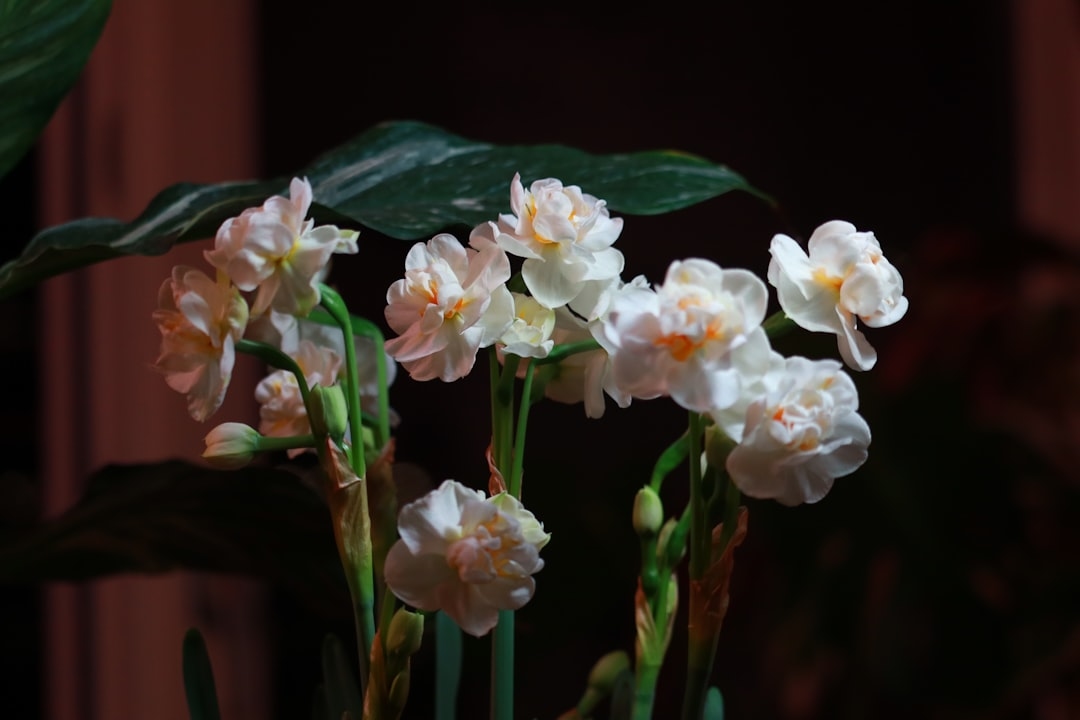
A quick list of what makes a new freesia stand out in the trade:
- Unusual color or bicolor pattern
- Extra-strong fragrance
- Extra-large or double flowers
- Unique leaf variegation (rare)
Why Are Only Some Varieties Available in the US?
US importers focus on varieties that travel well, have mass appeal, and thrive in California’s climate. More exotic or temperamental types often stay in boutique or hobbyist circles.
Growing and Buying Freesia Varieties in the US
For Home Gardeners
You can buy mixed freesia corms (bulbs) in 15-25 variety packs for $7-$20 from retailers like Eden Brothers, American Meadows, or Breck’s Bulbs. The most common colors are white, yellow, pink, red, and blue forms.
Tip: If you want a rare or heirloom cultivar, specialty bulb catalogs or local master gardener plant sales are your best bet.
For Florists
Wholesale markets like Mayesh or Florabundance offer the top 20-25 commercial freesias year-round, with prices ranging from $9-$18 per 10-stem bunch (as of spring 2026 in Los Angeles).
“If a bride asks for something truly one-of-a-kind–a peach and wine double, for example–that usually means a special order from Dutch breeders,” remarks Jamie Carter, owner of Petal Cart Florals, Austin, TX.
For Gift Shoppers
You’ll mostly find the mainstream hybrids in bouquets from US delivery services like 1-800-Flowers, FTD, or UrbanStems. Expect colors like white, yellow, lavender, and the rare “rainbow” mixed bunch.
Frequently Asked Questions
How many types of freesia can I grow at home in the US?
Most home gardeners can choose from 10-25 hybrid freesia cultivars in mixed packs, with colors ranging from white to deep purple. Specialty nurseries may offer rarer types by mail order.
Are all freesias fragrant?
While nearly all freesias have some fragrance, intensity varies. Single-flowered cultivars tend to have the strongest scent, while some doubles are bred more for looks than perfume.
What’s the rarest freesia variety available in the US?
Heirloom cultivars like ‘Rose Marie’ (pale pink, highly fragrant) and unusual colors like true blue or deep wine red are among the hardest to find. These are typically available from specialty bulb suppliers.
Are wild species grown commercially in the US?
No–almost all freesias sold by US florists are hybrids descended from several wild species, selected for size and vase life. Wild species are occasionally grown by collectors or botanical gardens.
How long does it take to breed a new freesia cultivar?
It can take 5-7 years to develop, test, and bring a new hybrid to market, due to the need for stable traits and reliable blooming.
Ready to discover your own favorite freesia? Consider building a personal collection: try one new cultivar each spring, and keep notes on fragrance, color, and vase life. Or, if you’re shopping for a truly unique bouquet, ask your local florist about what’s fresh this month–they may surprise you with a freesia variety you’ve never seen before. The possibilities, like the blooms themselves, just keep multiplying.